200+
Projects Delivered








We use the .NET platform to deliver systems where performance, security, and Azure integration are non-negotiable — from enterprise APIs to cloud-native business applications.
RESTful and gRPC APIs built on ASP.NET Core that serve as the backbone for internal systems, partner integrations, and customer-facing applications — with versioning, rate limiting, and OpenAPI documentation.
Web applications and services deployed to Azure App Service, Azure Functions, and Azure Kubernetes Service — architected for auto-scaling, geographic redundancy, and cost-efficient resource utilization.
Line-of-business applications built with ASP.NET Core and Blazor that consolidate workflows, enforce business rules, and integrate with Active Directory for role-based access across your organization.
Distributed .NET service architectures using Azure Service Bus, MassTransit, and containerized deployments — designed to let teams develop, deploy, and scale services independently.
Background processing systems built with .NET worker services, Azure Functions, and Entity Framework Core — handling ETL workflows, scheduled jobs, and event-driven data transformations at enterprise scale.
Migration of .NET Framework 4.x applications to .NET 8+ and ASP.NET Core — refactoring monoliths into maintainable architectures, updating data access layers, and enabling cloud-native deployment.
.NET is the right platform when your organization already operates within the Microsoft ecosystem — Azure for hosting, SQL Server for data, Active Directory for identity — and needs applications that integrate deeply with that infrastructure. The platform's mature tooling, strong typing, and first-class cloud support make it a practical choice for systems where reliability and maintainability outweigh rapid prototyping speed.
Active Logic works with established companies that need .NET expertise to build new platforms, modernize legacy systems, or extend existing architectures. Our teams bring deep experience across ASP.NET Core, Entity Framework, Blazor, and Azure-native services — focused on delivery outcomes, not technology preferences.
Every .NET engagement starts with architecture — understanding your existing Microsoft infrastructure, data models, integration points, and deployment targets before writing a line of code. We evaluate whether ASP.NET Core, Blazor, or Azure Functions best fit your requirements, and we design service boundaries that support your team's ability to maintain the system long after delivery.
Our teams deliver .NET applications in iterative two-week cycles with working features demonstrated at every milestone. This cadence gives stakeholders visibility into progress, catches architectural misalignments early, and allows reprioritization based on real feedback rather than assumptions made during discovery.
Performance and security are embedded in the architecture from the first sprint. We configure ASP.NET Core middleware for HTTPS enforcement, implement policy-based authorization, structure Entity Framework queries for efficiency, and design Azure deployments with auto-scaling and geographic redundancy — because these concerns are exponentially harder to retrofit.
Every .NET system we deliver includes automated test suites, CI/CD pipelines configured for Azure DevOps or GitHub Actions, and architecture documentation that allows your internal team — or ours — to extend the platform confidently. We build for the engineers who inherit the system, not just the first release.
Your Engagement Journey
Map requirements, define success criteria, identify risks
Design system architecture, plan delivery milestones
Iterative 2-week sprints with demos and feedback loops
Production deployment, knowledge transfer, ongoing support
.NET development connects to broader capabilities across our engineering practice. These services frequently complement .NET engagements.
As a U.S.-based custom software development company, we partner with leadership teams that need reliable execution, clear communication, and measurable delivery momentum across regions through our locations hub.
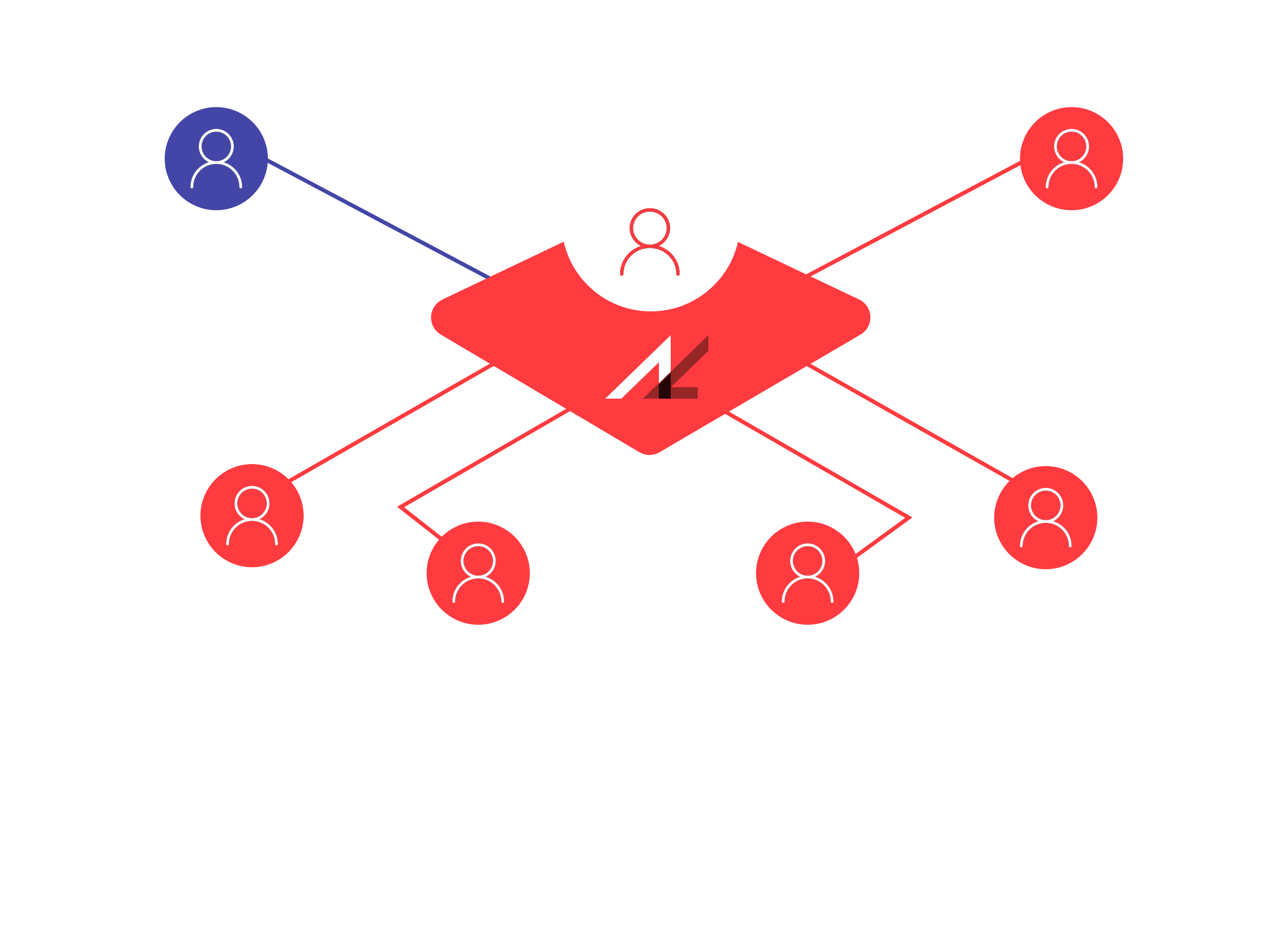
Mission-critical software delivery depends on governance, technical quality, and execution discipline. We run engagements with senior U.S.-based leadership and delivery controls built for operational continuity.
A Director of Engineering owns technical direction, risk management, and stakeholder alignment from planning through release.
Architecture reviews, QA discipline, and DevOps practices are integrated into the delivery rhythm to protect stability as scope evolves.
Structured handoffs, documentation, and release-readiness checkpoints keep momentum high while reducing disruption to internal teams.
Delivery Governance Loop
Tell us about your platform requirements, Azure environment, and integration needs. We'll align the right .NET team and outline a clear path forward.
Real engagements. Real delivery outcomes. See how our engineering teams have executed for enterprise clients.




A focused .NET application — such as an internal API platform or line-of-business tool — typically reaches production in 3–5 months. Larger enterprise systems with multiple service boundaries, complex integrations, and phased rollouts run 6–12 months with incremental delivery milestones throughout.
.NET excels in environments that already rely on Microsoft infrastructure — Azure, SQL Server, Active Directory, and Windows Server. Its strongly-typed system, mature tooling, and first-class Azure integration make it a practical choice for enterprise teams that need long-term maintainability, built-in security patterns, and predictable performance under load.
Yes. We regularly modernize applications from .NET Framework 4.x to .NET 8+ and ASP.NET Core. Migration typically involves refactoring tightly-coupled dependencies, updating data access layers to current Entity Framework Core patterns, and restructuring deployment pipelines for containerized or cloud-native hosting. We approach migrations incrementally to minimize disruption to running systems.
ASP.NET Core has native SDK support for Azure services including App Service, Azure Functions, Azure SQL, Service Bus, Blob Storage, Key Vault, and Azure Active Directory. We architect .NET solutions to leverage managed Azure infrastructure for hosting, identity, messaging, and data — reducing operational overhead while maintaining the control enterprise teams require.
We implement security at every layer of the .NET stack — ASP.NET Core Identity for authentication, policy-based authorization, encrypted configuration via Azure Key Vault, HTTPS enforcement, input validation, and OWASP-aligned middleware. For clients with specific compliance needs such as HIPAA, SOC 2, or FedRAMP, we design architectures that satisfy those requirements from the first sprint.
Every .NET application we deliver includes automated test coverage, CI/CD pipelines, and architecture documentation. Post-launch, many clients retain our team for continued feature development, .NET version upgrades, performance tuning, and Azure infrastructure management through our Team-as-a-Service model. We also support full knowledge transfer to your internal engineering team if preferred.
Team-as-a-Service gives you two engagement options with the same director-led accountability, 100% U.S.-based senior engineers, and mission-critical delivery standards.
With You
Active Logic engineers integrate into your planning cadence and stakeholder workflows as an extension of your internal team, adding leadership and delivery capacity without disrupting the way your organization already works.

For You
Active Logic leads planning, implementation, QA, and release execution end-to-end while maintaining transparent checkpoints with your leadership team, so outcomes stay predictable and management overhead stays low.
Share your architecture goals, Azure environment, and timeline. We'll align the right team and map the next practical step.
