200+
Projects Delivered
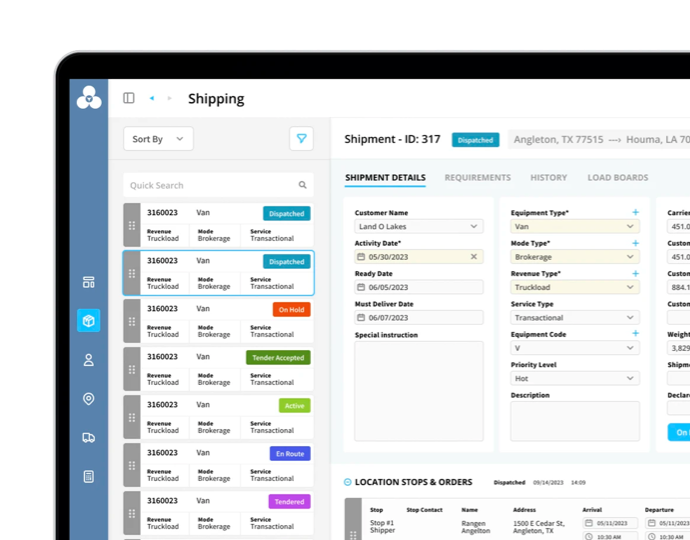




Every CRM engagement starts with your sales process and client workflows, not a feature checklist. We build the platform that fits how your teams actually work.
Custom pipeline tools that match your actual sales stages, approval workflows, and forecasting models instead of forcing your team into generic CRM templates.
Centralized platforms that consolidate client interactions across email, calls, meetings, and support tickets into a single auditable timeline.
Automated lead qualification and source attribution systems that help sales teams prioritize high-value opportunities based on your specific criteria.
Real-time dashboards and forecasting tools that surface pipeline health, conversion rates, and revenue projections without manual spreadsheet assembly.
Bidirectional integrations with marketing platforms, billing systems, support tools, and ERPs that eliminate double-entry and keep data consistent.
Tailored views for sales reps, managers, and executives that surface the right metrics and actions for each role without information overload.
Active Logic works with established companies that have outgrown off-the-shelf CRM platforms or need client management systems tailored to complex sales processes. Our clients are organizations where CRM limitations directly impact pipeline visibility, sales velocity, and client retention.
We partner best with teams that understand their sales process deeply and need engineering execution to build the platform that supports it — and where CRM quality has measurable revenue consequences.
Every CRM project starts by mapping your actual sales process — not by configuring a commercial platform's default workflow. We interview sales reps, managers, and leadership to understand how deals really move through your pipeline, where handoffs break down, and what data your team needs to close effectively.
We build CRM platforms iteratively, deploying usable features to a pilot team within the first 6–8 weeks. Early adoption feedback is critical because CRM success depends entirely on whether your sales team actually uses the system. We'd rather adjust course in week eight than discover adoption problems at launch.
Integration architecture is designed early because CRMs don't operate in isolation. Your sales platform needs to connect with marketing automation, billing, support, and communication tools. We build these integrations with real-time sync, error handling, and monitoring so your team works from one source of truth — not reconciling data across disconnected systems.
Reporting and forecasting are built around the metrics that drive your business decisions, not limited to pre-built templates. Custom dashboards surface pipeline health, conversion rates, rep performance, and revenue projections in formats that support real decision-making at every level of your organization.
Your Engagement Journey
Map requirements, define success criteria, identify risks
Design system architecture, plan delivery milestones
Iterative 2-week sprints with demos and feedback loops
Production deployment, knowledge transfer, ongoing support
As a U.S.-based custom software development company, we partner with leadership teams that need reliable execution, clear communication, and measurable delivery momentum across regions through our locations hub.
Mission-critical software delivery depends on governance, technical quality, and execution discipline. We run engagements with senior U.S.-based leadership and delivery controls built for operational continuity.
A Director of Engineering owns technical direction, risk management, and stakeholder alignment from planning through release.
Architecture reviews, QA discipline, and DevOps practices are integrated into the delivery rhythm to protect stability as scope evolves.
Structured handoffs, documentation, and release-readiness checkpoints keep momentum high while reducing disruption to internal teams.
Delivery Governance Loop
Tell us about your sales process, client workflows, and integration needs. We'll align the right team and outline a clear next step.
Real engagements. Real delivery outcomes. See how our teams have executed for enterprise clients.

Off-the-shelf CRMs work well when your sales process fits their templates. Custom development makes sense when your pipeline stages, approval workflows, or client management processes are unique enough that commercial CRMs require extensive workarounds — or when licensing costs for hundreds of seats exceed the cost of building a system tailored to your process.
A focused CRM with core pipeline management and reporting typically takes 4–6 months from discovery through production. Enterprise CRM platforms with complex integrations, migration from existing systems, and multi-department rollouts run 8–14 months with phased deployment by team or region.
Yes. Data migration is a standard part of CRM engagements. We map your existing data structures, clean and normalize records, and execute migration with validation checkpoints. We run parallel systems during transition so your sales team never loses access to client data.
We build bidirectional integrations with marketing automation platforms, billing systems, support tools, ERPs, and communication tools. Integrations are designed with error handling, retry logic, and monitoring so data stays consistent across systems without manual reconciliation.
Custom CRM platforms can include real-time pipeline dashboards, conversion funnel analysis, revenue forecasting, sales rep performance tracking, lead source attribution, and custom KPI reporting. The advantage over commercial CRMs is that reports are built around your actual metrics — not limited to pre-built report templates.
We design CRM interfaces around your team's actual workflow — not the other way around. When the system matches how people already work, adoption is significantly easier. We also provide documentation, training sessions, and iterative UX refinement based on real user feedback during rollout.
Team-as-a-Service gives you two engagement options with the same director-led accountability, 100% U.S.-based senior engineers, and mission-critical delivery standards.
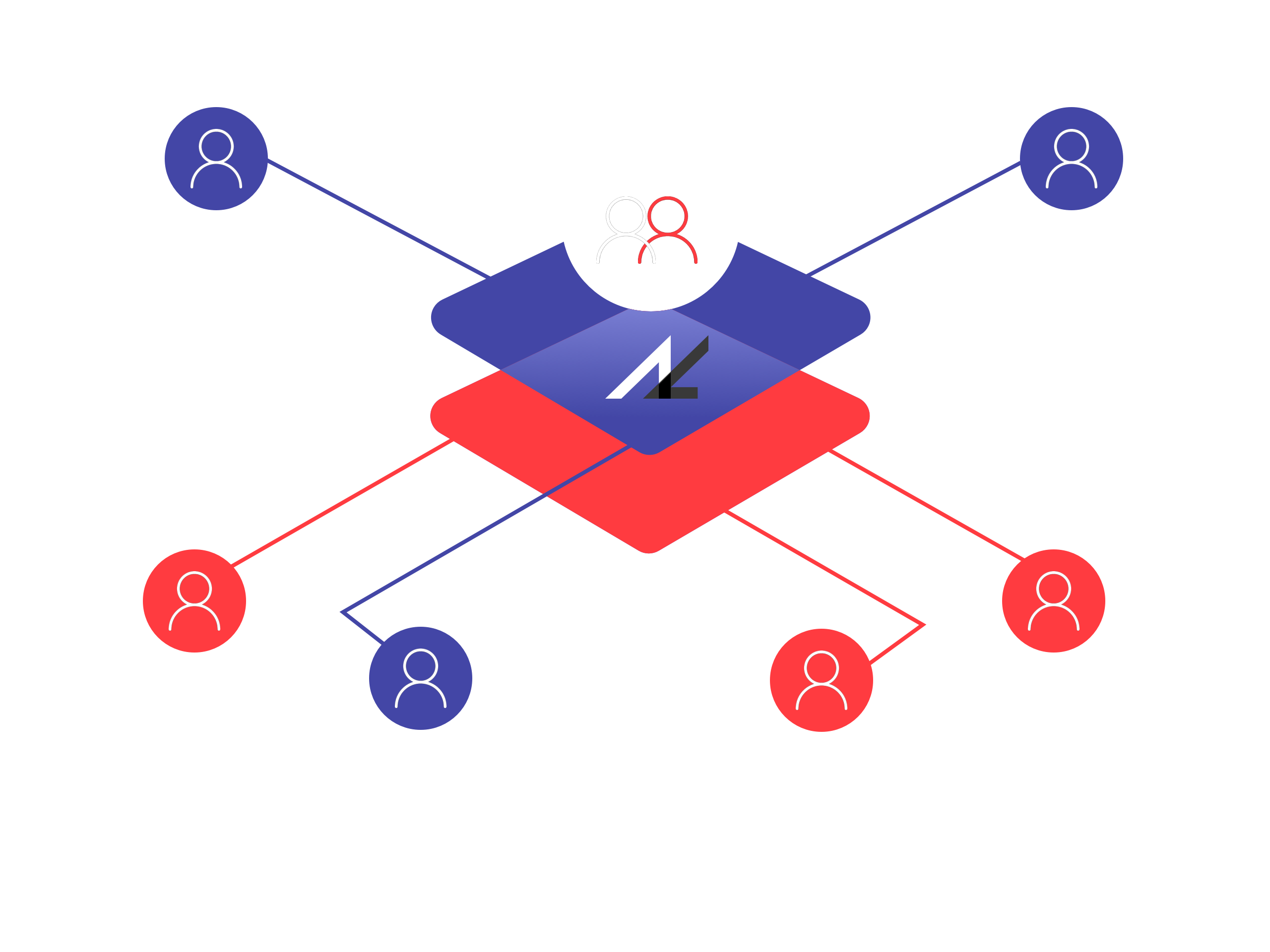
With You
Active Logic engineers integrate into your planning cadence and stakeholder workflows as an extension of your internal team, adding leadership and delivery capacity without disrupting the way your organization already works.
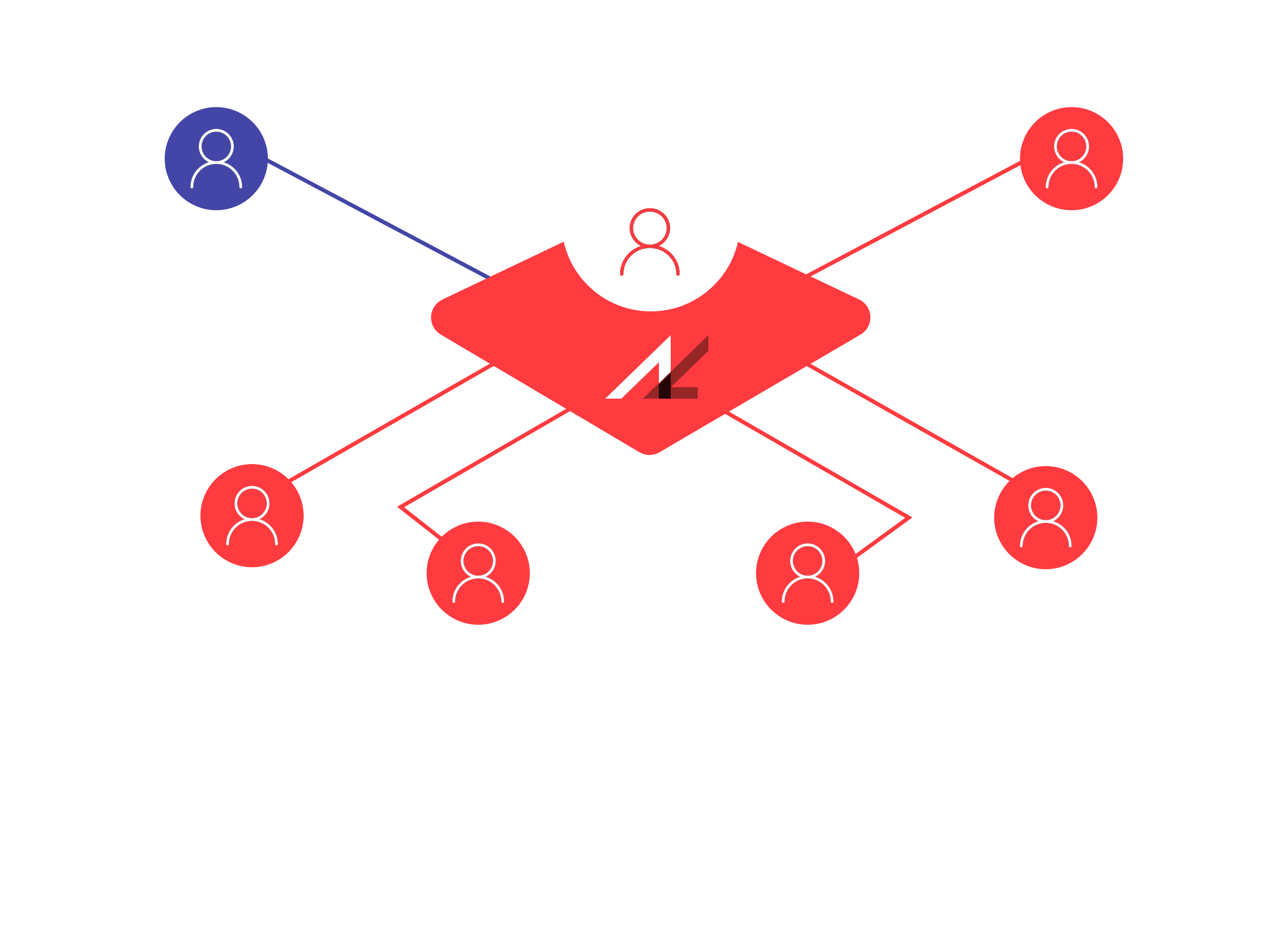
For You
Active Logic leads planning, implementation, QA, and release execution end-to-end while maintaining transparent checkpoints with your leadership team, so outcomes stay predictable and management overhead stays low.
Share your goals, constraints, and timeline. We'll align the right team and map the next practical step.
