200+
Projects Delivered




Flutter's compiled performance and widget-based architecture make it the right choice when you need native-quality mobile applications without the cost and complexity of maintaining separate iOS and Android codebases.
Pixel-perfect iOS and Android applications built from a single Dart codebase — with custom animations, gesture handling, and brand-specific design systems that render identically across every device.
Customer-facing mobile products with polished onboarding flows, real-time content delivery, push notifications, and in-app purchase or subscription billing — shipped simultaneously to both app stores.
Touch-optimized Flutter applications for retail kiosks, check-in terminals, and point-of-sale hardware — with offline transaction support, peripheral integration, and tamper-resistant UI flows.
Internal-facing applications that run on phones, tablets, and desktops from one codebase — giving distributed teams consistent access to dashboards, approval workflows, and operational data.
Offline-first mobile applications for field teams that capture inspections, surveys, photos, and GPS data in environments with unreliable connectivity — then sync automatically when a connection is restored.
Applications that require complex motion design, physics-based interactions, and frame-perfect transitions — leveraging Flutter's composable widget system and direct Skia rendering pipeline.
Flutter is the strongest choice when your mobile application demands visual precision, smooth animations, and consistent behavior across iOS and Android without maintaining two separate native codebases. Because Flutter owns its entire rendering pipeline through the Skia graphics engine, every pixel on screen is drawn by your application code — not delegated to platform-specific UI components that render differently on each OS.
We recommend Flutter when the project requires tight control over the user experience, when brand consistency across platforms is a hard requirement, or when your team needs to ship to both app stores on the same timeline. For organizations already investing in Dart or evaluating cross-platform strategies, Flutter provides compiled native performance that bridge-based alternatives cannot match.
Every Flutter engagement begins with understanding the user experience your application needs to deliver and the platform constraints it must operate within. We define the widget architecture, state management approach, and data layer strategy before writing production code — because decisions made in your application's foundation determine whether it scales gracefully or accumulates technical debt with every new feature.
We deliver in iterative two-week cycles with working builds deployed to both iOS and Android test environments at the end of each sprint. This lets your team validate interactions on real devices, catch platform-specific edge cases early, and adjust priorities based on actual user feedback rather than static mockups.
Performance is an architectural decision, not a polish step. We profile frame rendering, monitor memory allocation, and optimize widget rebuild cycles from the first sprint. Flutter's DevTools give us precise visibility into rendering performance, and we use that data to ensure your application maintains consistent 60fps behavior under real-world conditions — not just in demo environments.
Every Flutter application we ship includes comprehensive test coverage across unit, widget, and integration layers, plus CI/CD pipelines that build, test, and deploy to both app stores. The codebase is structured with clear separation between presentation, business logic, and data layers so your team — or ours — can maintain and extend it confidently over the long term.
Your Engagement Journey
Map requirements, define success criteria, identify risks
Design system architecture, plan delivery milestones
Iterative 2-week sprints with demos and feedback loops
Production deployment, knowledge transfer, ongoing support
Flutter development often intersects with these Active Logic service areas.
As a U.S.-based custom software development company, we partner with leadership teams that need reliable execution, clear communication, and measurable delivery momentum across regions through our locations hub.
Mission-critical software delivery depends on governance, technical quality, and execution discipline. We run engagements with senior U.S.-based leadership and delivery controls built for operational continuity.
A Director of Engineering owns technical direction, risk management, and stakeholder alignment from planning through release.
Architecture reviews, QA discipline, and DevOps practices are integrated into the delivery rhythm to protect stability as scope evolves.
Structured handoffs, documentation, and release-readiness checkpoints keep momentum high while reducing disruption to internal teams.
Delivery Governance Loop
Tell us about your mobile product goals, platform requirements, and timeline. We'll align the right Flutter team and outline a clear path to production.
Real engagements. Real delivery outcomes. See how our teams have executed for enterprise clients.


Flutter compiles directly to native ARM code through the Dart AOT compiler, while React Native relies on a JavaScript bridge to communicate with native components. This architectural difference gives Flutter more consistent frame rates, smoother animations, and pixel-level control over every visual element. Flutter also owns its entire rendering pipeline — it does not depend on platform UI components — which eliminates an entire class of platform-specific layout inconsistencies. We recommend Flutter when visual fidelity, animation performance, and precise brand expression are priorities.
Dart is a strongly typed, object-oriented language developed by Google specifically to support the kind of reactive UI programming Flutter requires. It supports both ahead-of-time (AOT) compilation for production performance and just-in-time (JIT) compilation for sub-second hot reload during development. Dart's sound null safety, async/await patterns, and rich standard library make it productive for building complex applications. Engineers with experience in Java, Kotlin, TypeScript, or C# typically become productive in Dart within days.
Yes. Flutter compiles to native ARM machine code and renders UI through its own Skia-based engine at 60 or 120 frames per second, depending on the device. Unlike bridge-based frameworks, there is no serialization overhead between your application logic and the rendering layer. For computationally intensive tasks like image processing or complex data transformations, Flutter supports platform channels that call native Swift, Kotlin, or C++ code directly. The result is application performance that is measurably comparable to fully native builds.
Flutter powers production applications at Google, BMW, Toyota, eBay, and thousands of other organizations. The framework has been stable since its 1.0 release in 2018 and receives quarterly updates with strong backward compatibility. Its package ecosystem includes mature solutions for state management, networking, local storage, push notifications, and platform-specific integrations. We have delivered Flutter applications handling tens of thousands of daily active users with enterprise-grade authentication, offline data sync, and compliance requirements.
A focused Flutter application — such as a customer-facing mobile product or internal field tool — typically reaches production in 3-5 months from discovery through deployment. More complex applications with offline-first architecture, real-time data sync, and multiple integration points run 5-9 months with phased delivery milestones. Flutter's single-codebase approach means you ship to both iOS and Android simultaneously, which reduces total delivery time by 30-40% compared to maintaining separate native codebases.
Post-launch, we provide continued feature development, performance monitoring, dependency updates, and Flutter SDK upgrades through our Team-as-a-Service model. Every application we deliver includes automated test suites covering unit, widget, and integration layers, plus CI/CD pipelines for both app store deployments. We handle Flutter major version migrations, platform-specific OS compatibility updates, and app store compliance changes so your application stays current without disrupting your roadmap.
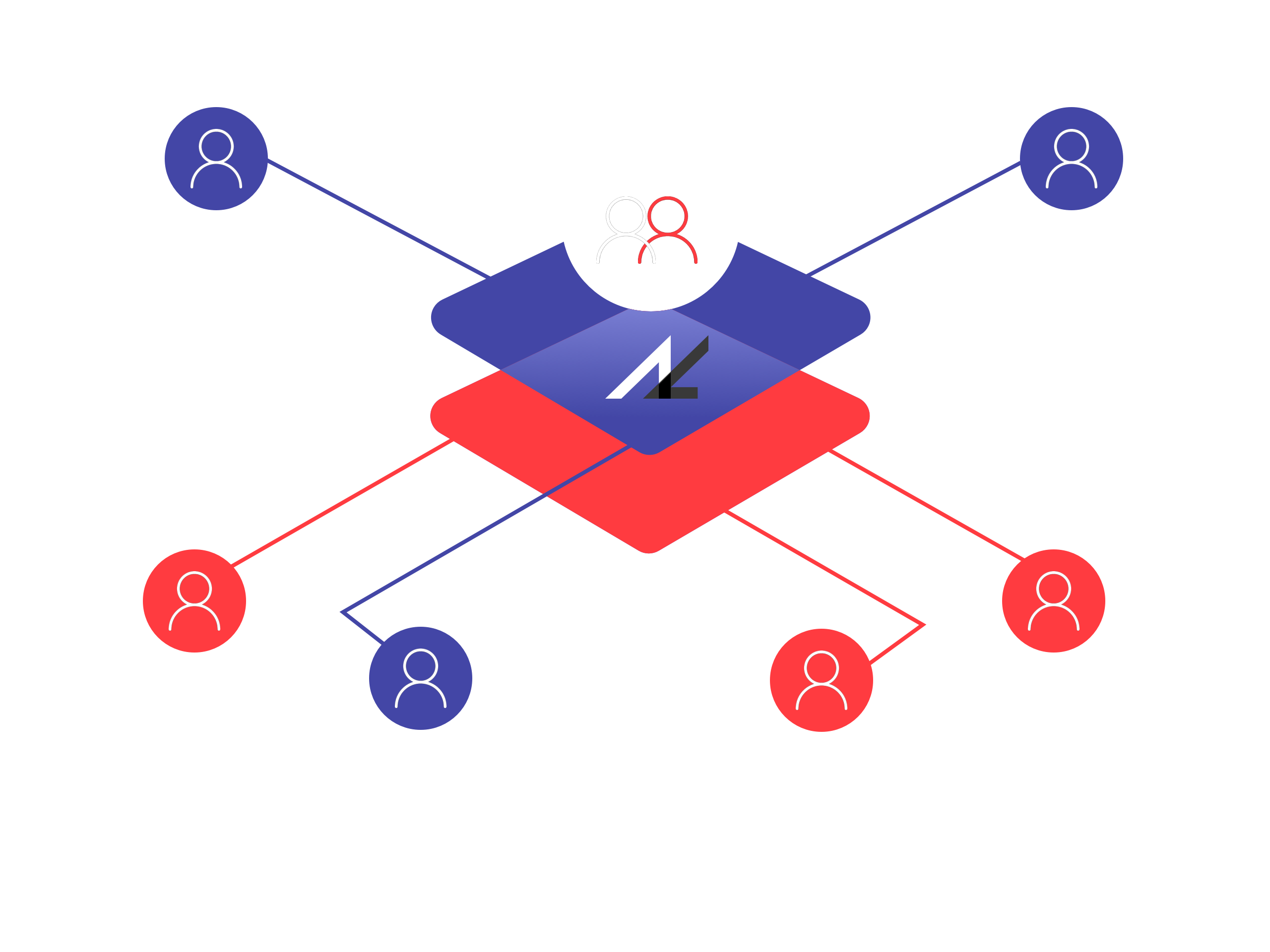
Team-as-a-Service gives you two engagement options with the same director-led accountability, 100% U.S.-based senior engineers, and mission-critical delivery standards.
With You
Active Logic engineers integrate into your planning cadence and stakeholder workflows as an extension of your internal team, adding leadership and delivery capacity without disrupting the way your organization already works.
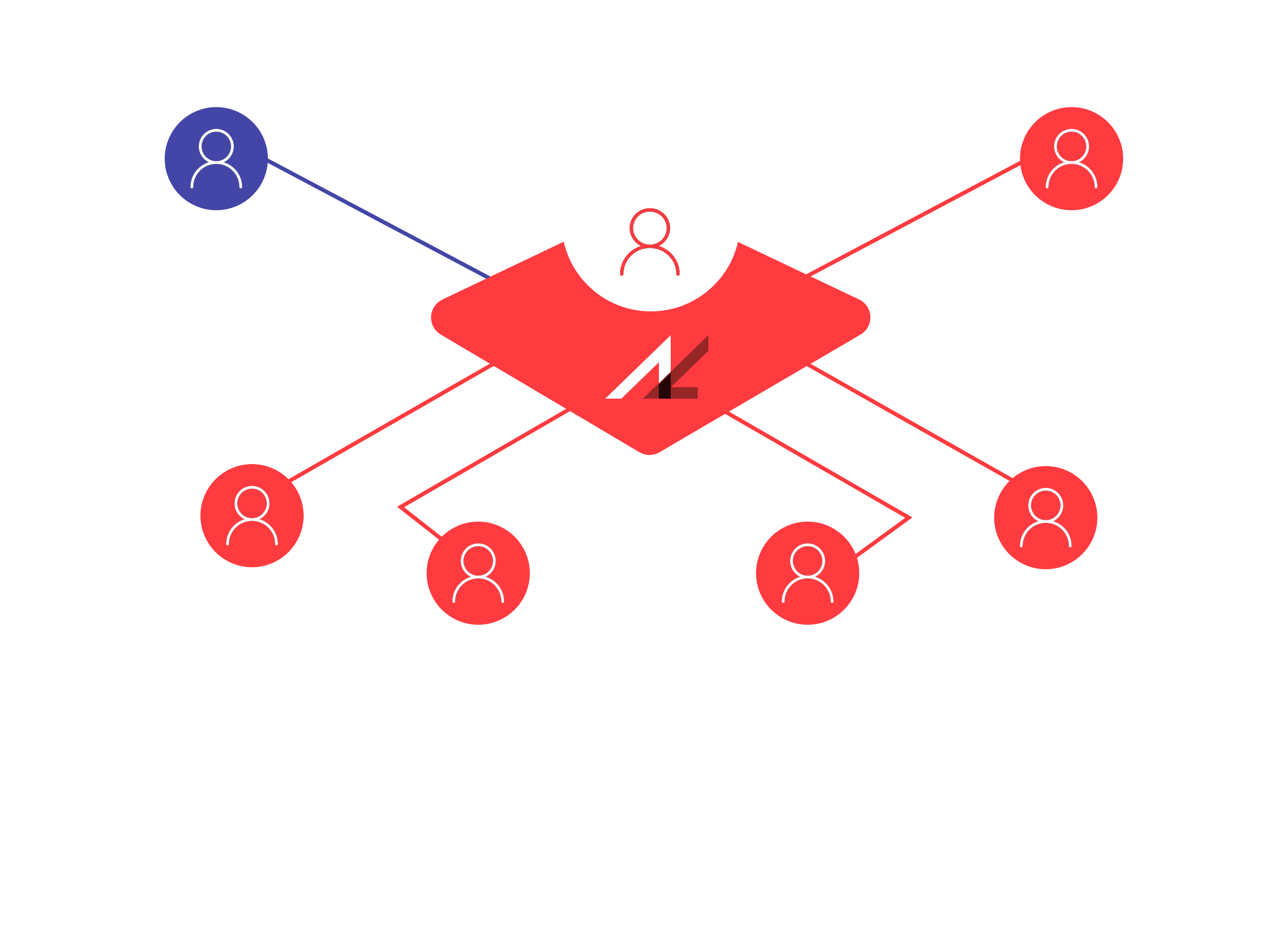
For You
Active Logic leads planning, implementation, QA, and release execution end-to-end while maintaining transparent checkpoints with your leadership team, so outcomes stay predictable and management overhead stays low.
Share your mobile product goals, platform constraints, and timeline. We'll match the right senior engineers and map the next practical step.
