200+
Projects Delivered


From research data platforms to student engagement tools, we build the systems that educational institutions depend on to serve their communities effectively.
Mobile-first portals, push notification systems, and communication tools that connect students with campus resources, advisors, and institutional services. Built with WCAG 2.2 accessibility, multi-language support, and gamification elements that drive adoption across diverse student populations.
Longitudinal data collection, participant consent management, IRB-compliant workflows, de-identification pipelines, and analysis tools for multi-year academic research programs. We built a psychology research platform for Stanford University that ran experiments with ~1,000 participants over 3+ years — including video recording/playback, randomized surveys, and organized data export for statistical analysis.
Enrollment management, course scheduling, degree audit systems, financial aid processing, and accreditation reporting dashboards. We build the operational tools that reduce manual processes, eliminate data re-entry, and give institutional leaders real-time visibility into campus operations.
Custom integrations with Canvas, Blackboard, and Moodle using LTI (Learning Tools Interoperability), SCORM, and xAPI standards. SIS connectors for Ellucian Banner, PowerSchool, PeopleSoft, and Workday Student. SAML and LDAP integration with campus identity providers for single sign-on across institutional systems.
Donor management with Blackbaud and Raiser's Edge integration, event management systems, online giving portals, and alumni directory platforms. We build the tools that support institutional advancement, community engagement, and fundraising campaigns at scale.
Emergency notification systems with Rave and Everbridge integration, CIPA-compliant content filtering for K-12 environments, visitor management platforms, and parent communication portals. Designed for the specific safety and communication requirements of both K-12 and higher education institutions.
We build for organizations across the education ecosystem — from research universities to K-12 districts to the EdTech companies supporting them.
Research universities and colleges that need student information systems, research data platforms, campus integrations, and administrative tools to manage complex institutional operations and diverse user populations.
School districts that need FERPA and COPPA-compliant student platforms, parent communication portals, administrative workflow tools, and safety systems designed for the specific requirements of pre-K through 12th grade environments.
Companies that need custom learning management systems, onboarding platforms, compliance training tools, and skills assessment systems that integrate with existing HR and workforce management infrastructure.
Associations and credentialing bodies that need continuing education platforms, certification tracking, member learning portals, and event-based training systems tied to professional development requirements.
Growth-stage and enterprise EdTech companies that need engineering depth — LTI-compliant integrations, SCORM/xAPI content packaging, multi-tenant architecture, and platform scaling under FERPA constraints.
Research labs and institutes that need IRB-compliant data collection platforms, longitudinal study tools, participant management systems, and secure data export pipelines for statistical analysis and publication.
Educational institutions operate under unique constraints — FERPA compliance, academic calendars, shared governance, and user populations that range from 18-year-old students to tenured faculty to administrative staff. Software built for these environments needs to handle that diversity without forcing everyone into the same workflow.
We've built for Kansas State University, the University of Kansas, and Stanford University — institutions where research data integrity, student privacy, and system reliability have real consequences. Our architecture enforces FERPA requirements by default: AES-256 encryption at rest, TLS 1.2+ in transit, no real student data in development or staging environments, and environment-level data isolation for multi-district deployments.
Every education engagement is led by a Director of Engineering who owns architecture decisions, compliance implementation, and delivery accountability. Our team is 100% senior, U.S.-based engineers — no offshore handoffs, no junior developers learning on your project. That means direct communication with institutional stakeholders, faster decision-making, and engineers who understand the regulatory and cultural context of American educational institutions.
Tell us about your campus technology challenges, research data needs, and student engagement goals. We'll connect you with engineers who understand education.
See how our teams have delivered for universities and research institutions.
We build Learning Management Systems (LMS), Student Information Systems (SIS), virtual classroom platforms, online proctoring software, course authoring tools, library management systems, administration and admissions platforms, alumni portals, and research data systems. We serve K-12 school districts, higher education institutions, corporate training and L&D departments, professional associations, and MOOC providers. Each system is designed around the specific pedagogical model, compliance requirements, and user base of your institution.
Cost depends on scope and integration complexity. A focused LMS module — such as a custom course delivery or assessment engine — typically ranges from $150K to $400K. A full-featured enterprise LMS with multi-tenant architecture, SCORM/xAPI compliance, analytics dashboards, and integrations with existing campus systems typically runs $400K to $1M+. For context, enterprise licensing for platforms like Canvas or Blackboard can run $100K–$500K+ annually, and those costs compound over time without giving you ownership of the platform or the ability to customize core workflows.
Off-the-shelf platforms like Canvas, Blackboard, and Moodle work well for institutions with standard instructional needs. Custom LMS development makes sense when your institution has unique pedagogical approaches that generic platforms force you to work around, specific integration requirements with proprietary campus systems, branded learning experiences that need to reflect your institution's identity, or complex workflows — such as competency-based progression, clinical rotations, or simulation-based assessment — that off-the-shelf platforms don't support natively. The decision comes down to whether the platform shapes your pedagogy or your pedagogy shapes the platform.
FERPA (Family Educational Rights and Privacy Act) applies directly to educational institutions that receive federal funding. Vendors who handle student data operate under the "school officials" exception, which requires specific contractual provisions — including restrictions on data use, re-disclosure limitations, and data governance terms. Technically, this means: no real student data in development or staging environments, separate data stores per district when serving multiple institutions, documented data retention and deletion policies, and breach notification procedures that meet both FERPA and state-level requirements. Our architecture enforces these requirements by default with AES-256 encryption at rest, TLS 1.2+ in transit, and environment-level data isolation.
Both. We have direct experience with major research universities and K-12 districts. Specific examples include: Kansas State University, where we built precision agriculture research tools for veterinary sciences; University of Kansas, where we built the Juniper Gardens research platform; and Stanford University, where we engineered a multi-year psychology research platform that ran experiments with approximately 1,000 participants over 3+ years. The technical requirements differ — universities often need research data platforms, complex SIS/LMS integrations, and IRB-compliant data systems, while K-12 focuses on student safety (COPPA compliance), parent communication, and administrative efficiency.
Yes. We build custom integrations with Canvas, Blackboard, Moodle, PowerSchool, Ellucian Banner, PeopleSoft, and Workday Student. We implement LTI (Learning Tools Interoperability) for LMS tool integration, SCORM and xAPI for learning content packaging and tracking, and SIS connectors for enrollment, grade, and roster synchronization. For identity management, we integrate with SAML and LDAP campus identity providers to support single sign-on across institutional systems. Our teams handle the data mapping, authentication flows, and synchronization logic needed to keep campus systems connected and data consistent.
Yes — and we have direct proof. We built a multi-year psychology research platform for Stanford University that ran experiments with approximately 1,000 participants over 3+ years. The platform included video recording and playback for behavioral analysis, demographic surveys with randomized assignment, longitudinal study tracking across multiple sessions, and organized data export pipelines for statistical analysis. The system was built with IRB compliance throughout — including participant consent management, de-identification pipelines, and audit trails for research data integrity. We bring that same rigor to every academic research engagement.
Team-as-a-Service gives you two engagement options with the same director-led accountability, 100% U.S.-based senior engineers, and mission-critical delivery standards.
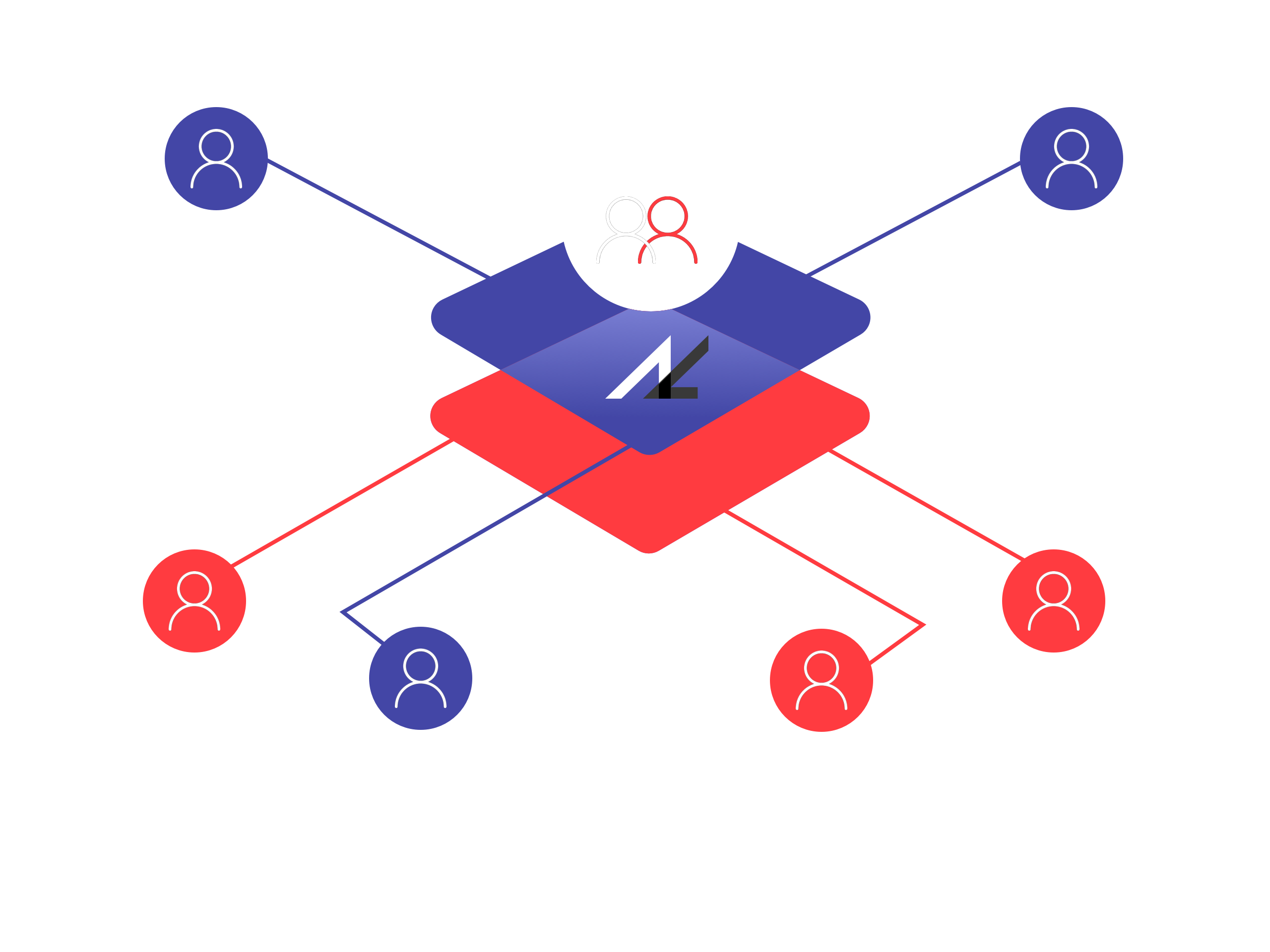
With You
Active Logic engineers integrate into your planning cadence and stakeholder workflows as an extension of your internal team, adding leadership and delivery capacity without disrupting the way your organization already works.
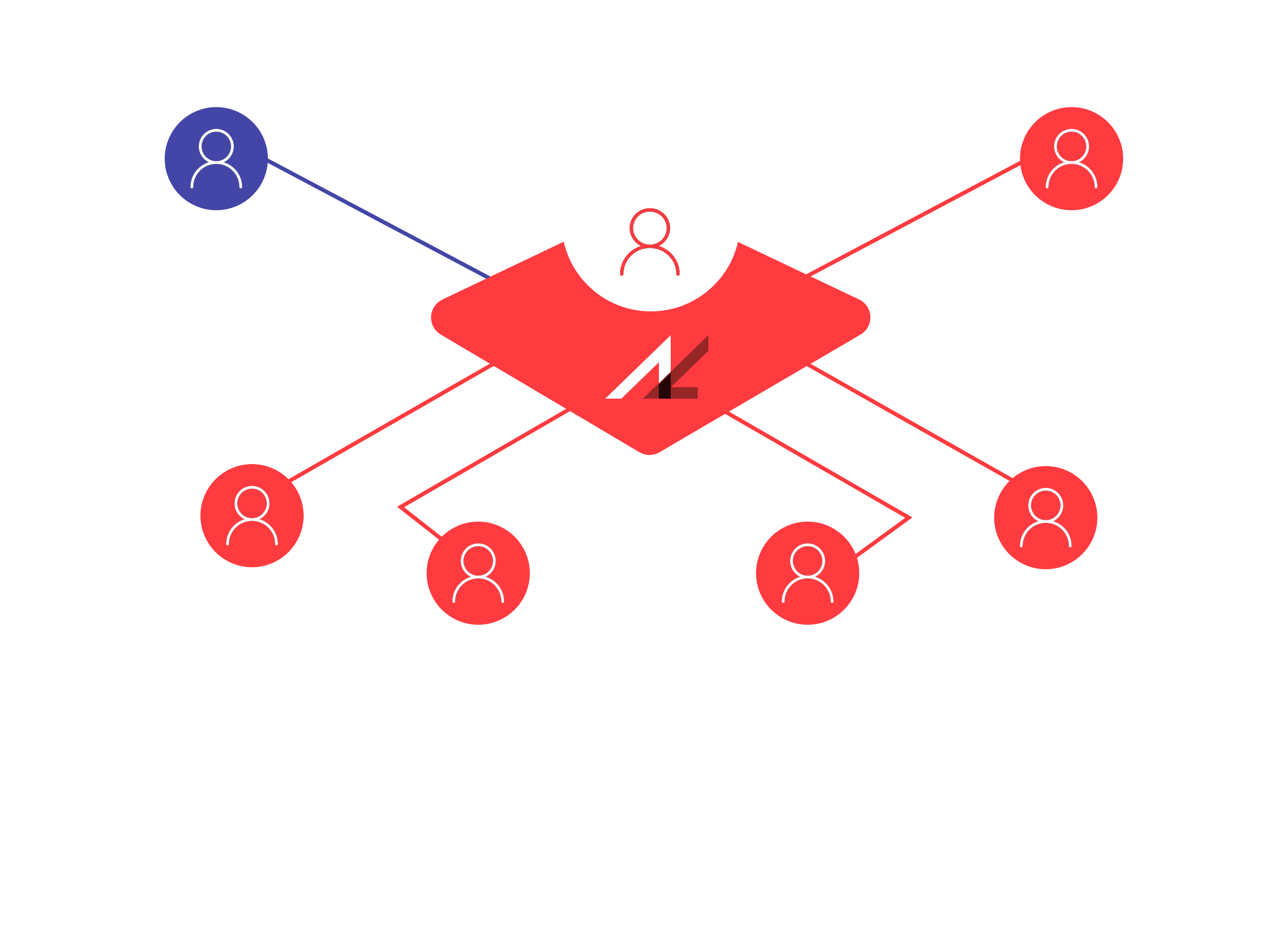
For You
Active Logic leads planning, implementation, QA, and release execution end-to-end while maintaining transparent checkpoints with your leadership team, so outcomes stay predictable and management overhead stays low.
Share your institutional challenges, technology landscape, and timeline. We'll map the right team and a clear path forward.