200+
Projects Delivered





From clinical workflow tools to health data infrastructure, we build the systems that healthcare organizations depend on for daily operations.
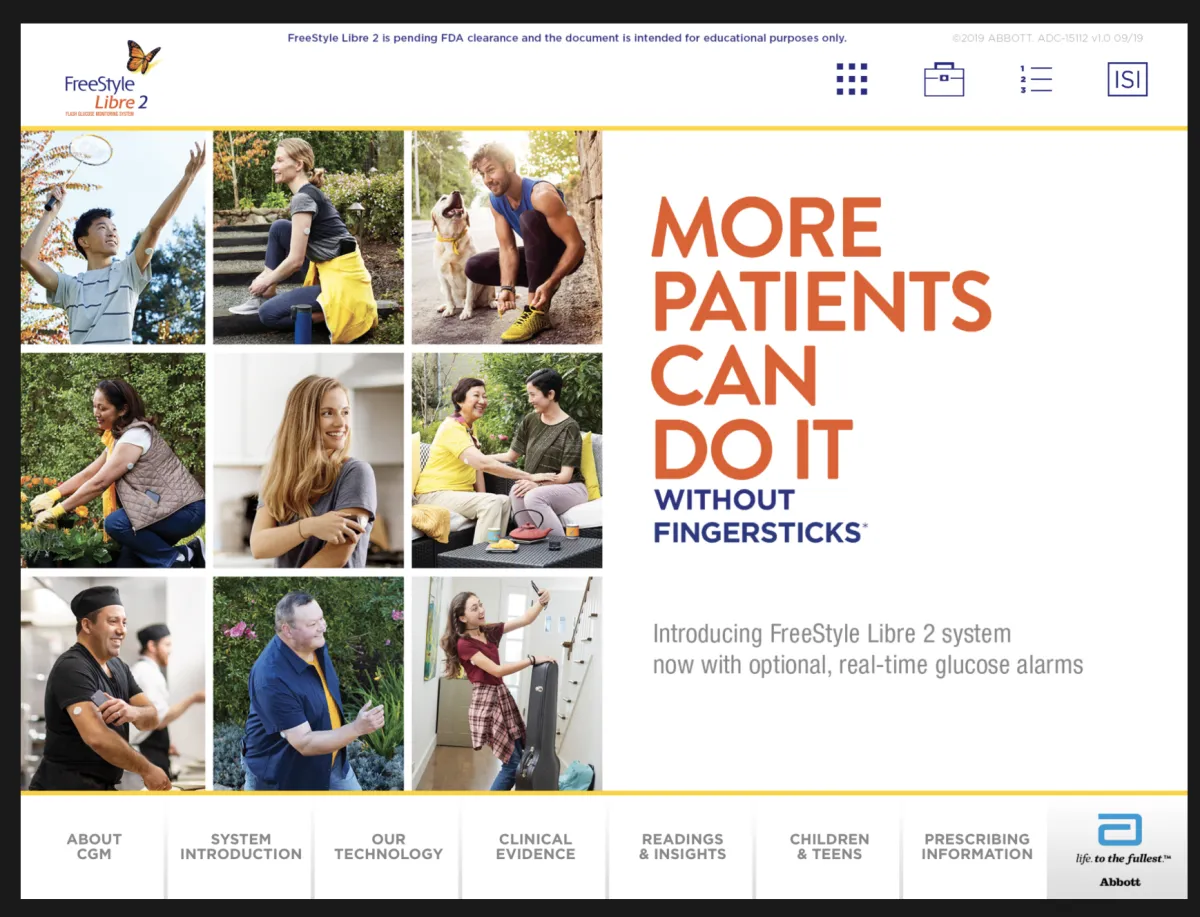
Custom tools for clinical teams — scheduling, documentation, care coordination, and task management systems designed for how healthcare professionals actually work. We built mobile-first clinical workflow tools for Abbott that replaced manual field processes with real-time data capture and team coordination across distributed clinical operations.
HL7 FHIR R4, C-CDA, and vendor-specific integrations with Epic, Cerner (Oracle Health), Allscripts, and other EHR platforms. We also integrate with lab information systems (LIS), pharmacy management, claims clearinghouses, and health information exchanges (HIEs) — meeting 21st Century Cures Act interoperability requirements.
Portals, mobile apps, and communication platforms that connect patients with providers — appointment scheduling, secure messaging, medication reminders, health record access, and intake form digitization. Built with WCAG 2.2 accessibility and multi-language support for diverse patient populations.
Clinical data pipelines, population health dashboards, quality measure reporting (HEDIS, MIPS), and operational analytics that turn siloed data into actionable intelligence. We build HIPAA-compliant data warehouses that aggregate across EHR, claims, and operational systems.
Video consultation platforms, remote patient monitoring (RPM) with connected devices, and chronic care management systems. Built for reliability under real clinical load, with HIPAA-compliant video, device data ingestion, alert thresholds, and provider notification workflows.
HIPAA-compliant infrastructure with AES-256 encryption at rest, TLS 1.2+ in transit, role-based access with least privilege, comprehensive audit trails, and automated security scanning in CI/CD pipelines. We design for BAA readiness and support SOC 2 Type II audit preparation.
We build for organizations across the healthcare ecosystem — from providers delivering patient care to the technology companies supporting them.
Hospitals, clinics, and health systems that need clinical workflow tools, care coordination platforms, and operational dashboards to manage patient volumes and staff efficiency.
Health insurance carriers and TPAs that need claims processing automation, member portals, provider network management, and regulatory reporting systems.
Technology companies building healthcare products that need engineering depth — EHR integrations, FHIR-compliant APIs, and platform scaling under HIPAA constraints.
Pharmaceutical companies and CROs that need clinical trial management, regulatory submission tools, drug safety monitoring, and research data platforms.
Medical device companies that need companion apps, device data platforms, SaMD solutions, and FDA-aligned quality management system processes.
Growth-stage health tech companies that need to build HIPAA-compliant products fast without compromising on architecture quality or compliance readiness.
Healthcare software carries consequences that most industries don't face. A bug in a clinical workflow tool can delay patient care. A security gap can expose protected health information. An integration failure can break the data exchange that clinicians depend on for treatment decisions.
That's why we staff every healthcare engagement with senior engineers who have built in regulated environments before. They understand HIPAA requirements, HL7 FHIR interoperability standards, and the operational realities of clinical settings — not because they read about it, but because they've shipped production systems for organizations like Abbott that handle it daily.
Our teams have delivered mobile-first clinical workflow tools for Abbott's field operations, research data platforms for Stanford University's neuroscience lab, and health data systems for organizations across the Kansas City, Miami, and Nashville healthcare markets. Every engagement is led by a Director of Engineering who owns architecture decisions, compliance implementation, and delivery accountability.
Tell us about your clinical workflows, compliance requirements, and integration landscape. We'll connect you with engineers who understand healthcare.
See how our teams have delivered for healthcare and life sciences organizations.
HIPAA compliance is architected into every healthcare engagement from day one — it's not a checklist we run at the end. We implement AES-256 encryption at rest, TLS 1.2+ encryption in transit, role-based access controls with least-privilege principles, comprehensive audit logging for all PHI access, and BAA-ready infrastructure. Our teams conduct security reviews before every production deployment, including penetration testing and vulnerability scanning. We've built HIPAA-compliant systems for Abbott, clinical research platforms, patient engagement tools, and telehealth infrastructure.
Yes. We build custom integrations with Epic, Cerner (now Oracle Health), Allscripts, and other major EHR platforms using HL7 FHIR R4, C-CDA document exchange, REST APIs, and vendor-specific interfaces. Our teams handle the complexity of healthcare interoperability standards — resource mapping, data transformation, validation rules, and the 21st Century Cures Act requirements for patient data access. We also integrate with lab information systems, pharmacy platforms, and claims processing systems.
We build clinical workflow platforms, EHR integrations, patient engagement portals, telehealth and remote monitoring systems, health data analytics dashboards, revenue cycle management tools, clinical decision support systems, and medical device companion apps. We serve providers (hospitals, health systems, clinics), payers (insurance carriers, TPAs), health IT companies, pharmaceutical and life sciences organizations, medtech companies, and digital health startups.
Cost depends on scope, regulatory complexity, and integration requirements. A focused clinical tool or patient portal typically ranges from $150K–$400K. Larger platforms with EHR integrations, multi-facility deployment, and compliance certifications typically run $400K–$1.2M+. Every engagement begins with a structured discovery phase where we define scope, identify risks, and establish a realistic budget before development starts.
FHIR (Fast Healthcare Interoperability Resources) is the modern standard for exchanging healthcare data between systems. It replaced older standards like HL7 v2 with a REST-based API approach that's faster to implement, easier to maintain, and required by the 21st Century Cures Act for patient data access. If you're building any system that needs to exchange data with EHRs, labs, pharmacies, or payers, FHIR compliance is effectively mandatory. Our teams build FHIR R4-compliant integrations as standard practice.
Timeline depends on scope and regulatory complexity. A focused clinical tool or patient-facing mobile app might take 4–6 months from discovery through production. Larger platforms with multiple EHR integrations, compliance certifications, and multi-facility deployment typically run 8–14 months with phased delivery — so you see working software early and can validate with real clinical users before full rollout.
We build companion applications and data platforms that interface with medical devices, as well as Software as a Medical Device (SaMD) solutions that require FDA regulatory consideration. Our teams understand the distinction between clinical decision support tools that fall under FDA oversight and general wellness applications that don't. For SaMD projects, we implement quality management system (QMS) processes aligned with FDA guidance and IEC 62304 software lifecycle standards.
Team-as-a-Service gives you two engagement options with the same director-led accountability, 100% U.S.-based senior engineers, and mission-critical delivery standards.
With You
Active Logic engineers integrate into your planning cadence and stakeholder workflows as an extension of your internal team, adding leadership and delivery capacity without disrupting the way your organization already works.

For You
Active Logic leads planning, implementation, QA, and release execution end-to-end while maintaining transparent checkpoints with your leadership team, so outcomes stay predictable and management overhead stays low.
Share your clinical challenges, compliance requirements, and timeline. We'll map the right team and a clear path forward.