200+
Projects Delivered






Modern PHP powers everything from high-traffic web platforms to internal operational tools. We build with PHP 8+ features, Composer ecosystems, and PSR standards to deliver systems that scale and maintain well over time.
Multi-tenant web applications, SaaS products, and customer-facing platforms built on PHP 8+ with strict typing, Composer dependency management, and PSR-compliant architecture designed for long-term maintainability.
Backend API layers that serve mobile applications, single-page frontends, and third-party integrations — built with versioned endpoints, rate limiting, authentication, and comprehensive documentation.
Custom CMS platforms and headless content architectures that give editorial teams structured publishing workflows without the security and performance overhead of off-the-shelf solutions.
Incremental upgrades of PHP 5.x and early 7.x codebases to modern PHP 8+ standards — introducing Composer, automated testing, strict typing, and clean architecture without disrupting live operations.
Order management, inventory, pricing engines, and checkout systems that integrate with payment gateways, shipping providers, and ERP platforms through well-structured PHP service layers.
Admin panels, reporting dashboards, approval workflows, and operational tools that consolidate data from multiple systems into interfaces your teams use daily to make decisions.
PHP remains one of the most widely deployed server-side languages in production, and modern PHP bears little resemblance to the language's early reputation. PHP 8+ introduces union types, named arguments, enums, fibers for concurrent operations, and JIT compilation — features that bring it in line with any modern backend language for building structured, testable enterprise software.
Active Logic recommends PHP when your existing infrastructure already runs on it, when your team has deep PHP expertise you want to retain, or when the project requirements align well with PHP's mature ecosystem of packages, tooling, and hosting options. We do not advocate for PHP when a different language better fits your constraints — technology selection is driven by your requirements, not our preferences.
Every PHP engagement starts with architecture — understanding the data flows, integration points, user roles, and performance requirements that will shape the system. We define the application's domain model, establish PSR-compliant coding standards, and configure Composer-based dependency management before writing the first feature. This upfront investment prevents the structural problems that slow teams down later.
We deliver in iterative cycles with working functionality demonstrated every two weeks. Each sprint produces deployable code with automated tests, so your team can validate behavior, catch misalignments early, and adjust priorities based on what you see in staging rather than what was documented months ago.
Our PHP applications are built with strict typing, dependency injection, and clear separation of concerns. We write code that static analysis tools like PHPStan can verify at the highest levels, catching entire categories of bugs before they reach production. Combined with comprehensive unit and integration tests, this approach produces codebases that are genuinely maintainable — not just at launch, but years later.
Deployment is automated from day one. Every project includes CI/CD pipelines that run tests, perform static analysis, and deploy to staging and production environments. We configure monitoring, error tracking, and performance profiling so your team has visibility into application health from the first release forward.
Your Engagement Journey
Map requirements, define success criteria, identify risks
Design system architecture, plan delivery milestones
Iterative 2-week sprints with demos and feedback loops
Production deployment, knowledge transfer, ongoing support
As a U.S.-based custom software development company, we partner with leadership teams that need reliable execution, clear communication, and measurable delivery momentum across regions through our locations hub.
Mission-critical software delivery depends on governance, technical quality, and execution discipline. We run engagements with senior U.S.-based leadership and delivery controls built for operational continuity.
A Director of Engineering owns technical direction, risk management, and stakeholder alignment from planning through release.
Architecture reviews, QA discipline, and DevOps practices are integrated into the delivery rhythm to protect stability as scope evolves.
Structured handoffs, documentation, and release-readiness checkpoints keep momentum high while reducing disruption to internal teams.
Delivery Governance Loop
Tell us about your application goals, existing infrastructure, and technical constraints. We'll align the right PHP engineering team and outline a clear next step.
Real engagements. Real delivery outcomes. See how our teams have executed for enterprise clients.



A focused PHP application — such as an internal tool, API layer, or content platform — typically reaches production in 3–5 months. Larger initiatives involving legacy modernization, multi-system integration, or complex business logic generally run 6–12 months with phased delivery milestones so your team sees working software at every stage.
PHP powers roughly 75% of websites with a known server-side language, including platforms at scale like WordPress, Etsy, and Slack. Modern PHP (8.x) offers strict typing, JIT compilation, fibers for async operations, and named arguments — placing it on par with other mature server-side languages for performance and developer productivity. The deciding factors are usually your existing infrastructure, team expertise, and long-term hiring considerations rather than raw capability.
Yes. Many of our engagements involve upgrading PHP 5.x or early 7.x codebases to modern PHP 8+ standards. This typically includes migrating to Composer-based dependency management, adopting PSR coding standards, introducing strict typing and automated testing, and restructuring monolithic code into maintainable service layers. We approach modernization incrementally so your application stays operational throughout the process.
Modern PHP with OPcache, JIT compilation, and proper architecture handles enterprise-scale traffic effectively. PHP 8.x delivers significant performance improvements over earlier versions — benchmarks show 2–3x throughput gains compared to PHP 7.4 for compute-heavy workloads. Combined with connection pooling, caching layers like Redis, and horizontal scaling behind load balancers, PHP applications routinely serve millions of requests per day in production environments.
Security is addressed at the architectural level from sprint one. We enforce parameterized queries to prevent SQL injection, implement CSRF and XSS protections, use bcrypt or Argon2 for password hashing, and validate all input at both the application and transport layers. Dependency auditing through Composer ensures known vulnerabilities are flagged before deployment. For clients with compliance requirements such as HIPAA, SOC 2, or PCI-DSS, we design data handling and access control to meet those standards natively.
Every PHP application we deliver includes automated test coverage, CI/CD pipelines, and architecture documentation. Post-launch, many clients retain our team for continued feature development, PHP version upgrades, performance tuning, and security patching through our Team-as-a-Service model. We also support full knowledge transfer to your internal engineers, including codebase walkthroughs and operational runbooks, if you prefer to bring maintenance in-house.
Team-as-a-Service gives you two engagement options with the same director-led accountability, 100% U.S.-based senior engineers, and mission-critical delivery standards.
With You
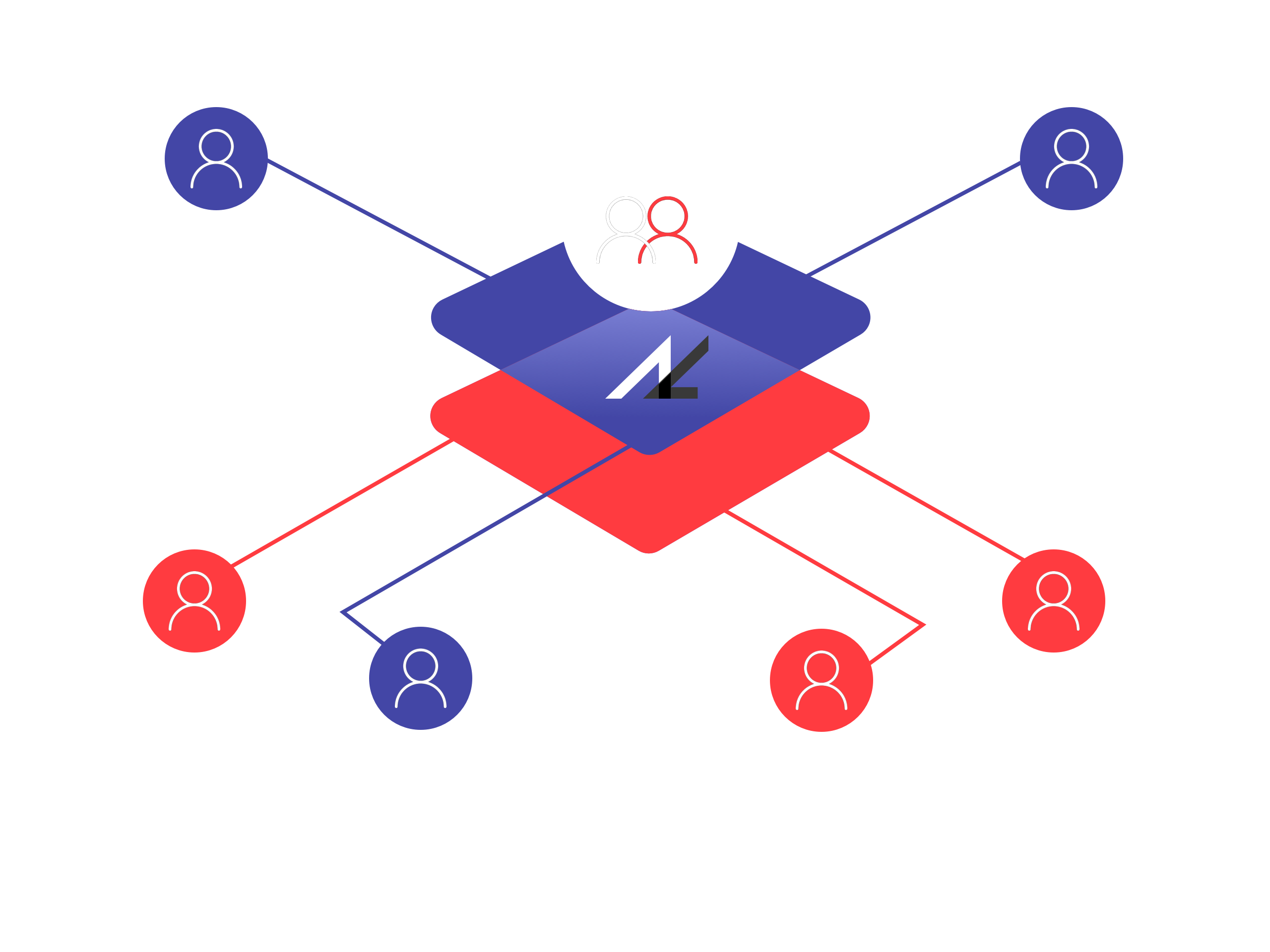
Active Logic engineers integrate into your planning cadence and stakeholder workflows as an extension of your internal team, adding leadership and delivery capacity without disrupting the way your organization already works.
For You
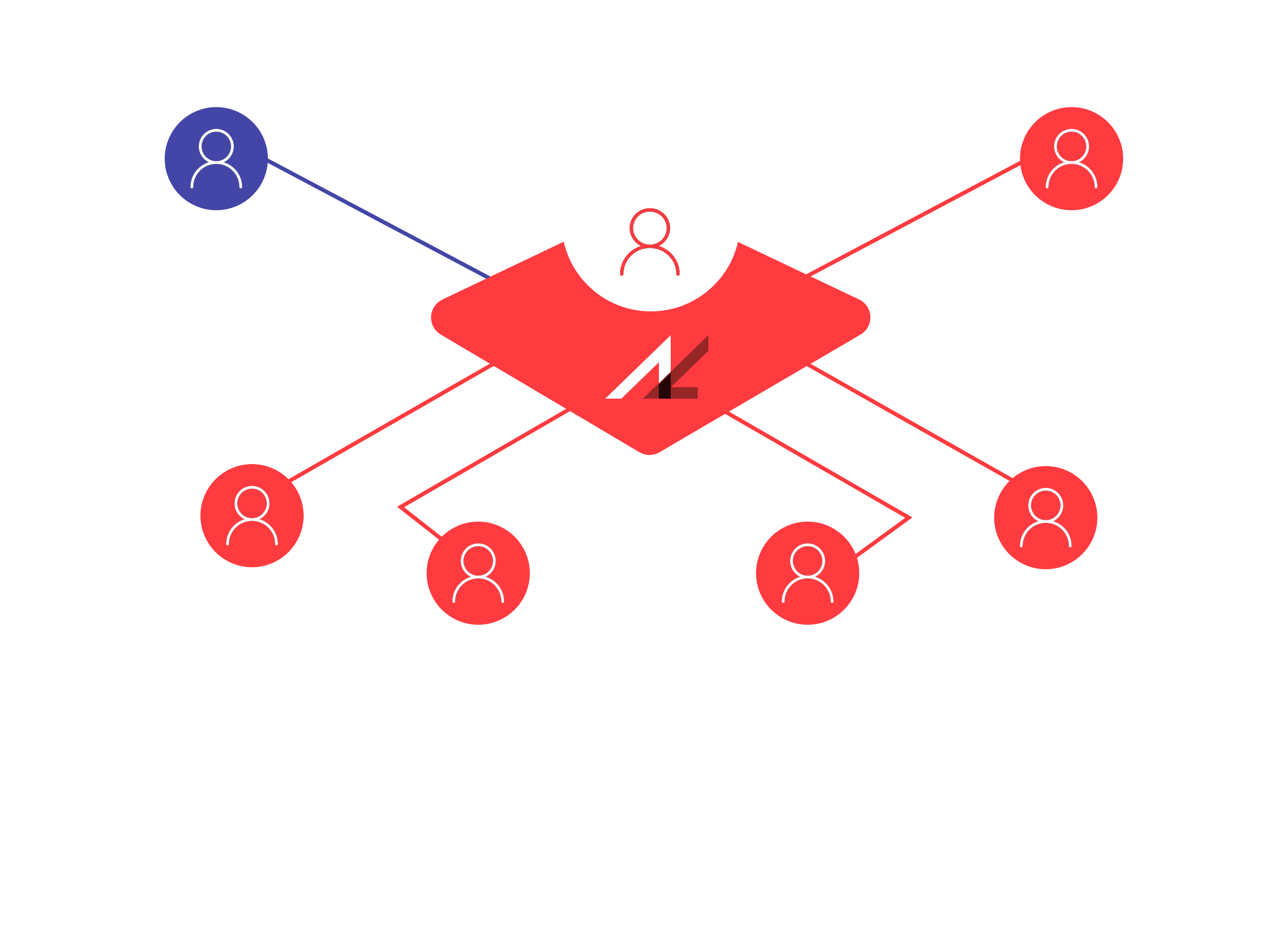
Active Logic leads planning, implementation, QA, and release execution end-to-end while maintaining transparent checkpoints with your leadership team, so outcomes stay predictable and management overhead stays low.
Share your project goals, legacy constraints, and timeline. We'll match the right senior PHP engineers and map the next practical step.
