200+
Projects Delivered






React Native lets us deliver native mobile experiences on both platforms from a single codebase. We apply it where cross-platform efficiency creates real business value.
Single-codebase iOS and Android applications for operations, logistics, and workforce management — deployed to both platforms simultaneously with native performance and consistent UX.
Consumer and client-facing applications with secure authentication, push notifications, and real-time data — built to handle high user volumes across both mobile platforms.
Mobile tools for field teams that need GPS tracking, barcode scanning, photo capture, and form submission — designed to work reliably in low-connectivity environments.
Chat, messaging, and notification platforms with WebSocket connections, push delivery, and presence indicators — leveraging React Native's bridge to native notification APIs.
Applications that store, queue, and sync data locally so field operators and remote workers can complete critical tasks without a network connection and reconcile automatically when connectivity returns.
Approval chains, inspection checklists, time tracking, and task management tools that replace paper processes and disconnected spreadsheets with structured mobile workflows.
React Native is the right choice when your mobile application needs to reach both iOS and Android users without maintaining two separate native codebases. For enterprise teams managing budgets, timelines, and engineering capacity, a shared codebase means faster feature delivery, lower maintenance overhead, and a single source of truth for business logic. It is not the right choice for every mobile project — but for the majority of data-driven business applications, it delivers the best balance of performance, cost, and development velocity.
We recommend React Native most often for organizations that already invest in React on the web, because shared knowledge across teams reduces onboarding time and allows business logic to move between platforms. If your application requires heavy GPU rendering, low-level Bluetooth protocols, or deep OS integration that React Native cannot access efficiently, we will tell you and recommend a native approach instead.
Every React Native engagement starts with understanding your users, their devices, and the systems your mobile application needs to connect to. We map the feature set, identify which native modules are required, and architect the application so that shared business logic stays clean and platform-specific code is isolated where it needs to be.
Our teams deliver in two-week iterative cycles with working builds deployed to both iOS and Android simultaneously. You see progress on real devices, not just simulators — and you can redistribute test builds to internal stakeholders through TestFlight and internal distribution channels at each milestone.
We structure every React Native project for long-term maintainability. That means TypeScript throughout, automated testing at the unit and integration level, CI/CD pipelines that build and sign for both app stores, and clear separation between UI, state management, and API layers. When Apple or Google releases a new OS version, your application is positioned to adapt without a rewrite.
Code sharing with existing React web applications is a core consideration from day one. We design shared packages for validation, API clients, and business rules so that changes propagate across platforms automatically — reducing duplication and the bugs that come with it.
Your Engagement Journey
Map requirements, define success criteria, identify risks
Design system architecture, plan delivery milestones
Iterative 2-week sprints with demos and feedback loops
Production deployment, knowledge transfer, ongoing support
React Native development connects directly to our broader mobile, web, and software engineering capabilities.
As a U.S.-based custom software development company, we partner with leadership teams that need reliable execution, clear communication, and measurable delivery momentum across regions through our locations hub.
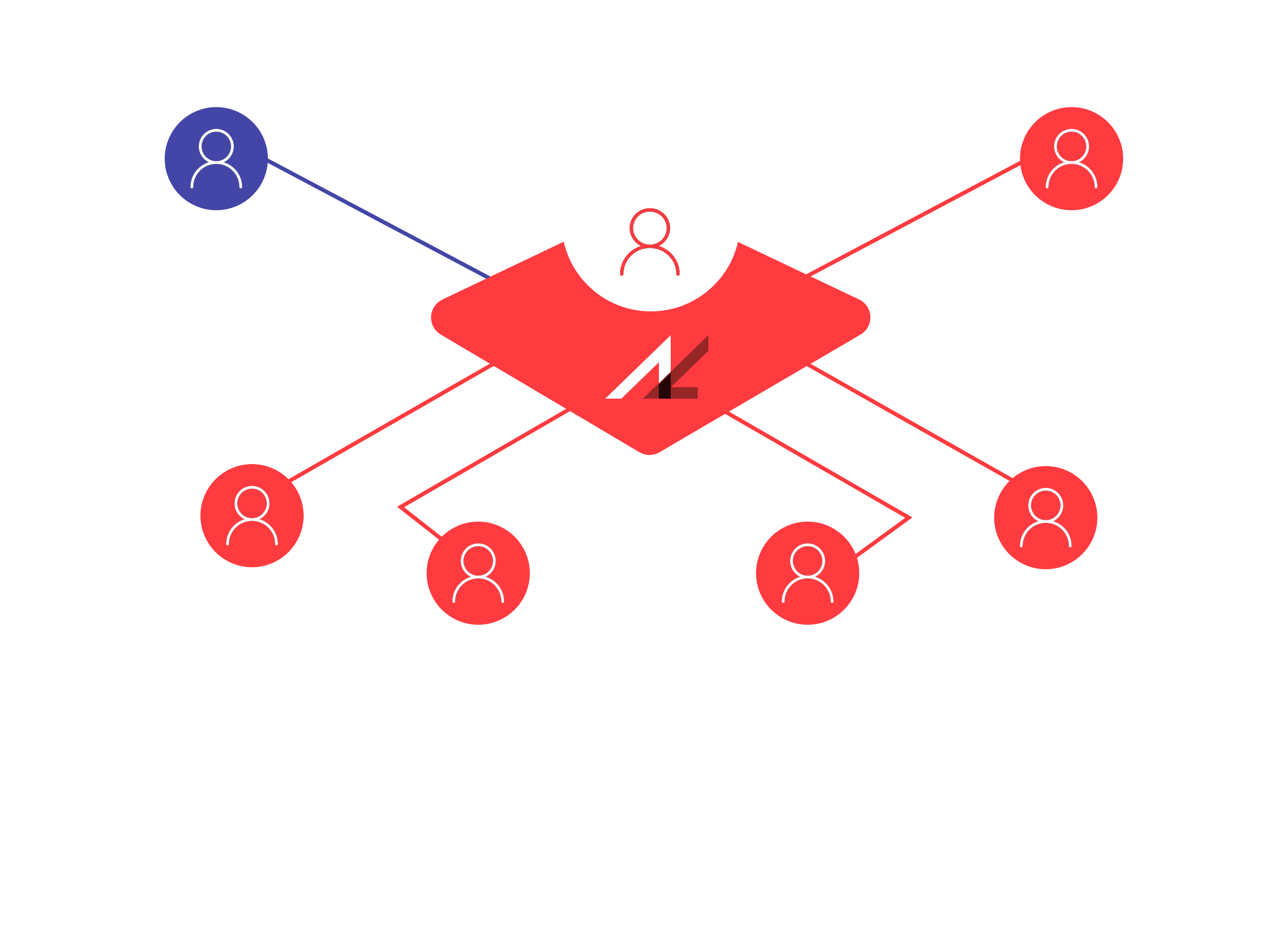
Mission-critical software delivery depends on governance, technical quality, and execution discipline. We run engagements with senior U.S.-based leadership and delivery controls built for operational continuity.
A Director of Engineering owns technical direction, risk management, and stakeholder alignment from planning through release.
Architecture reviews, QA discipline, and DevOps practices are integrated into the delivery rhythm to protect stability as scope evolves.
Structured handoffs, documentation, and release-readiness checkpoints keep momentum high while reducing disruption to internal teams.
Delivery Governance Loop
Tell us about your mobile application goals, platform requirements, and existing technology investments. We'll assess whether React Native is the right fit and outline a clear delivery path.
Real engagements. Real delivery outcomes. See how our teams have executed for enterprise clients.



React Native shares 70–90% of code across iOS and Android while still rendering native UI components — not web views. For most business applications, the performance difference is negligible. You get faster delivery, lower maintenance costs, and a single codebase your team can reason about. We recommend fully native development only when your app requires deep hardware integration, complex animations, or platform-specific APIs that React Native cannot access efficiently.
React Native applications achieve near-native performance for the vast majority of enterprise use cases — data-driven screens, form workflows, real-time updates, and map integrations all run smoothly. The framework uses a bridge to communicate with native modules, and with the new architecture (Fabric and TurboModules), that communication is faster than ever. We profile and optimize critical paths during development, and for performance-sensitive features, we write native modules in Swift or Kotlin that integrate seamlessly.
Yes. Business logic, API clients, validation rules, state management, and utility functions can be shared between React Native and React web applications through a well-structured monorepo or shared package strategy. UI components differ because mobile and web have different interaction patterns, but the underlying logic layer — which is often 30–50% of your total codebase — can be written once and used across both platforms.
A focused React Native application — such as a field operations tool or customer-facing mobile product — typically reaches production in 3–5 months with iterative delivery milestones every two weeks. More complex platforms with offline sync, deep integrations, and multiple user roles run 6–10 months. We scope based on functional requirements and deliver working features incrementally so you can validate direction early and adjust priorities based on real usage data.
React Native powers production applications at companies including Microsoft, Shopify, Bloomberg, and Discord. The framework has a decade of production history, a large and active open-source ecosystem, and strong corporate backing from Meta. For enterprise teams, this means access to security libraries, authentication integrations, push notification infrastructure, and analytics tooling that are well-tested at scale. We have delivered React Native applications serving tens of thousands of active users in regulated and high-availability environments.
Post-launch, React Native applications require regular dependency updates, OS compatibility testing when Apple and Google release new platform versions, and performance monitoring. We build automated testing and CI/CD pipelines into every project so that updates can be deployed confidently. Many clients retain us through our Team-as-a-Service model for feature development, store submission management, and infrastructure scaling. We also support full knowledge transfer if your internal team will own the application long-term.
Team-as-a-Service gives you two engagement options with the same director-led accountability, 100% U.S.-based senior engineers, and mission-critical delivery standards.
With You
Active Logic engineers integrate into your planning cadence and stakeholder workflows as an extension of your internal team, adding leadership and delivery capacity without disrupting the way your organization already works.

For You
Active Logic leads planning, implementation, QA, and release execution end-to-end while maintaining transparent checkpoints with your leadership team, so outcomes stay predictable and management overhead stays low.
Share your mobile application goals, platform needs, and timeline. We'll align the right team and map the next practical step.
