
Silent Struggles Turned to Safe Spaces: Employee Philanthropy Spotlight | Active Logic Insights
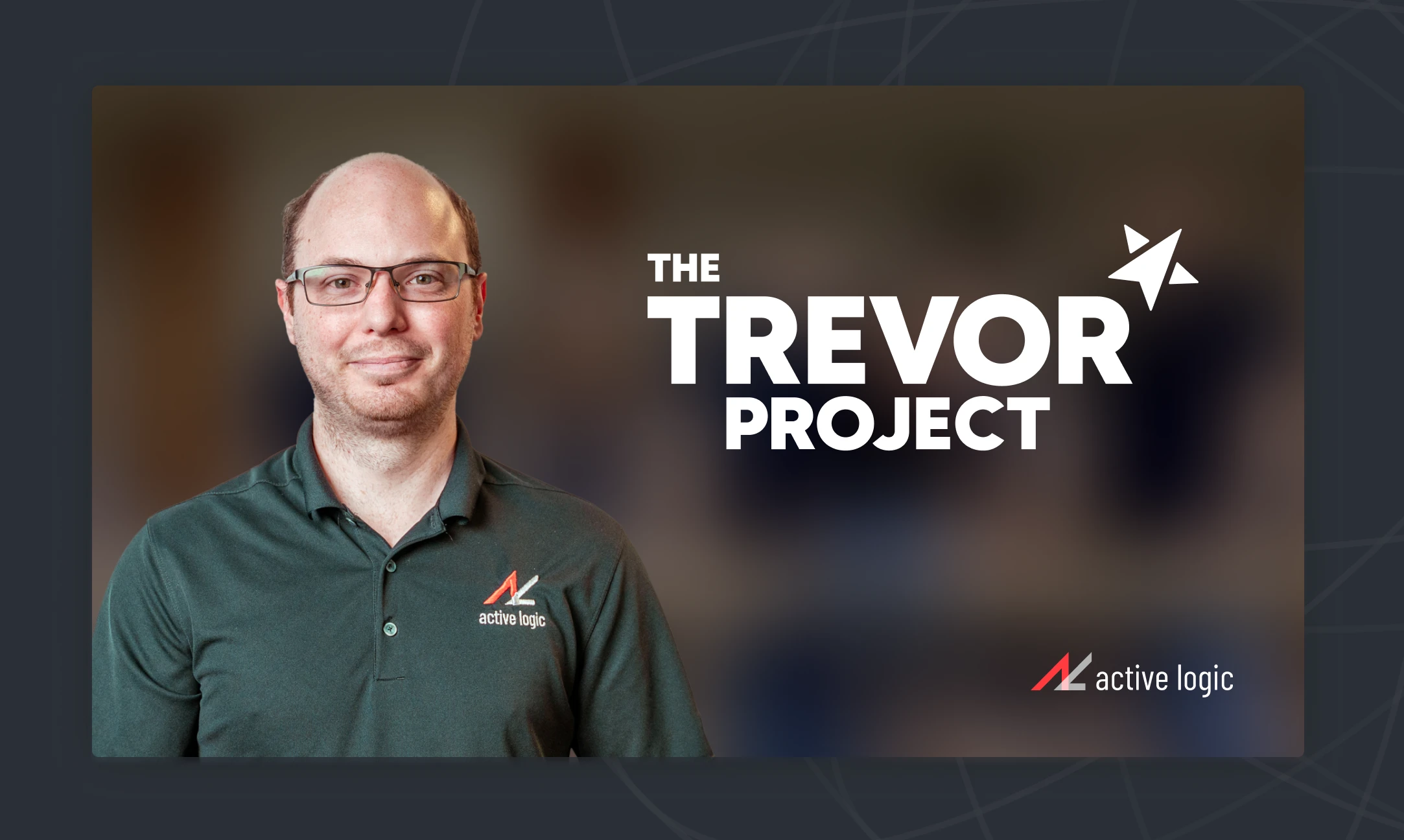
Every month, Active Logic gives an employee $500 to donate to the charity of their choice. No strings attached. The employee picks the organization, we make the donation, and we share the story — because the reasons behind the choice are always worth hearing.
This month’s spotlight is Justin Werner, Software Engineer.
Justin
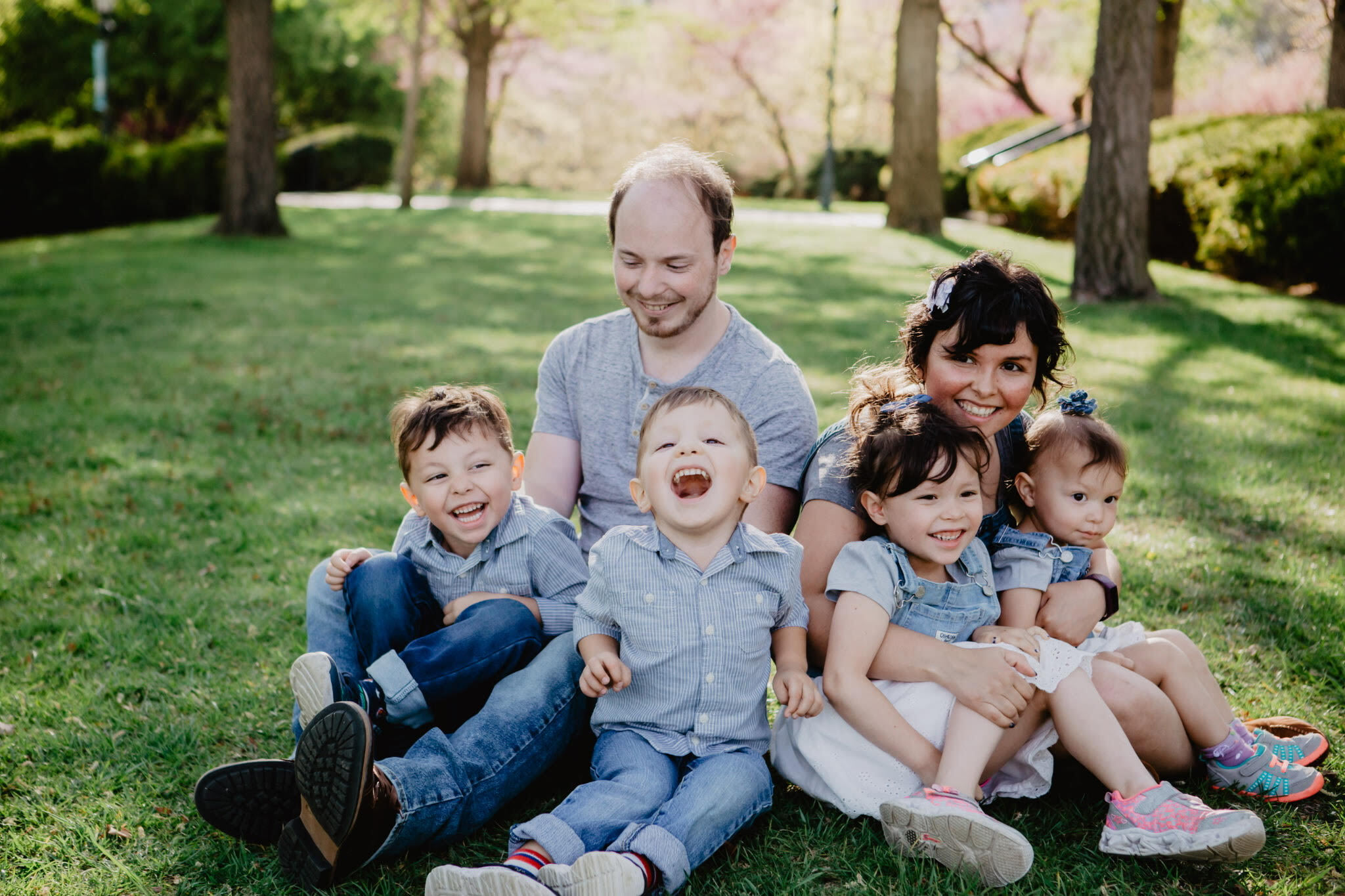
Justin is a software engineer at Active Logic — building everything from web applications to cloud infrastructure — and outside of work, a husband and father of four. He’s the kind of person who thinks carefully about the world his kids are growing up in and what it means to be a decent person in it. When his turn came for the monthly philanthropy donation, he didn’t need long to decide.
Justin directed his $500 to The Trevor Project.
The choice was personal.
Looking Back
Growing up, Justin had friends who were LGBTQ+. This was during a time when being open about your identity in adolescence wasn’t met with the support systems that exist today — imperfect as those systems still are. There were no school clubs dedicated to it. There were no visible role models in most communities. There was, in many cases, silence — or worse.
Justin remembers what it was like for those friends. The isolation. The fear of being rejected by the people who were supposed to be closest to them. The sense that there was nowhere to turn when things got hard — not at home, not at school, not in the community.
Some of those friends made it through. Some carried scars that took years to become visible. The common thread was the absence of a safety net — a place or a person or a phone number that said: you’re not alone, and what you’re feeling is valid, and there is help.
That memory stayed with Justin. It didn’t fade with time or get replaced by the busyness of adult life. It sat there, informing how he thought about the world and what he wanted to do about it.

Finding The Trevor Project
In 2020, Justin began researching mental health resources for vulnerable youth. He was looking for organizations that specifically served young people who were at risk — not in a general sense, but in the acute, immediate sense. Organizations that were there at the crisis point, when a young person was deciding whether the world was worth staying in.
He found The Trevor Project.
Founded in 1998, The Trevor Project is the leading national organization providing crisis intervention and suicide prevention services to LGBTQ+ young people under 25. The organization operates a 24/7 crisis support system — phone, text, and chat — staffed by trained counselors who understand the specific challenges that LGBTQ+ youth face.
What caught Justin’s attention wasn’t just the crisis services — it was the research. The Trevor Project conducts annual surveys and publishes research on the risk factors for suicide among LGBTQ+ youth. Their data has become one of the most cited sources in the field, informing policy decisions, school programs, and clinical practices across the country.

The research matters because it moves the conversation beyond anecdote. When The Trevor Project publishes findings about the correlation between family rejection and suicide risk, or the protective factor of having at least one accepting adult in a young person’s life, those findings give policymakers and educators concrete evidence to act on. It’s the difference between “we should do something” and “here’s exactly what the data shows works.”
Why It Matters
The statistics around LGBTQ+ youth mental health are well-documented, and they’re sobering. LGBTQ+ young people are more than four times as likely to attempt suicide as their peers. For transgender and nonbinary youth, the numbers are even higher. These aren’t abstract statistics — they represent real young people in real communities, many of whom don’t have a single adult in their life who affirms their identity.
The Trevor Project’s 24/7 availability is a critical element of their model. Crisis moments don’t happen on a schedule. A young person who’s been rejected by a parent at 11pm on a Tuesday night needs someone to talk to at 11pm on a Tuesday night — not during business hours, not after a two-week waitlist, not after filling out intake forms. The immediacy of the support is what makes it effective at the moment it matters most.
Beyond crisis intervention, The Trevor Project also runs TrevorSpace, an online community for LGBTQ+ young people to connect with peers. For youth in communities where they don’t know anyone else who shares their experience — rural areas, conservative communities, or simply schools where they’re the only openly LGBTQ+ student — that peer connection can be the difference between feeling completely alone and knowing that others understand.
The Personal Connection
Justin’s decision to support The Trevor Project wasn’t driven by abstract philanthropy. It was driven by specific memories of specific people who didn’t have what The Trevor Project offers. The friends from his adolescence who struggled in silence because there was no hotline to call, no online community to join, no research-backed framework telling the adults in their lives how to help.
As a father of four, Justin thinks about these things through an additional lens. He wants his kids to grow up in a world where no young person feels like they have nowhere to turn. He wants the safety nets to exist before they’re needed — not after. Supporting The Trevor Project is one way to help build that world.
“When I think about those friends from growing up,” Justin said, “I think about what it would have meant for them to have a number to call at their worst moment. That’s what The Trevor Project is. It’s the thing I wish had existed for the people I cared about.”
The Philanthropy Program
Active Logic’s monthly giving program is deliberately simple. There’s no selection committee. There’s no requirement to align with the company’s business focus. There’s no minimum profile or tenure requirement. Each month, an employee gets $500 to direct to the organization of their choosing, and we tell their story.
The program has revealed the depth and range of what our team cares about. Previous spotlights have covered organizations working in foster care, education, healthcare, and community development. From AI engineers to full-stack developers, each story has introduced the rest of the team to a cause they might not have encountered otherwise, and each one has reinforced something we already knew: the people who build great custom software are, more often than not, people who care deeply about the world beyond the screen.
Justin’s choice to support The Trevor Project adds another dimension to that picture. It’s a reminder that the people sitting next to us in standup meetings carry experiences and perspectives that shape how they see the world — and that when you give people the freedom to direct resources toward what matters to them, they’ll choose things that make the world a little better.
Learn More
If you’d like to learn more about The Trevor Project or support their work, visit thetrevorproject.org. If you or someone you know needs support, the Trevor Lifeline is available 24/7 at 1-866-488-7386, or you can text START to 678-678.
