Giving Back: Aaron Case and FosterAdopt Connect | Active Logic Insights
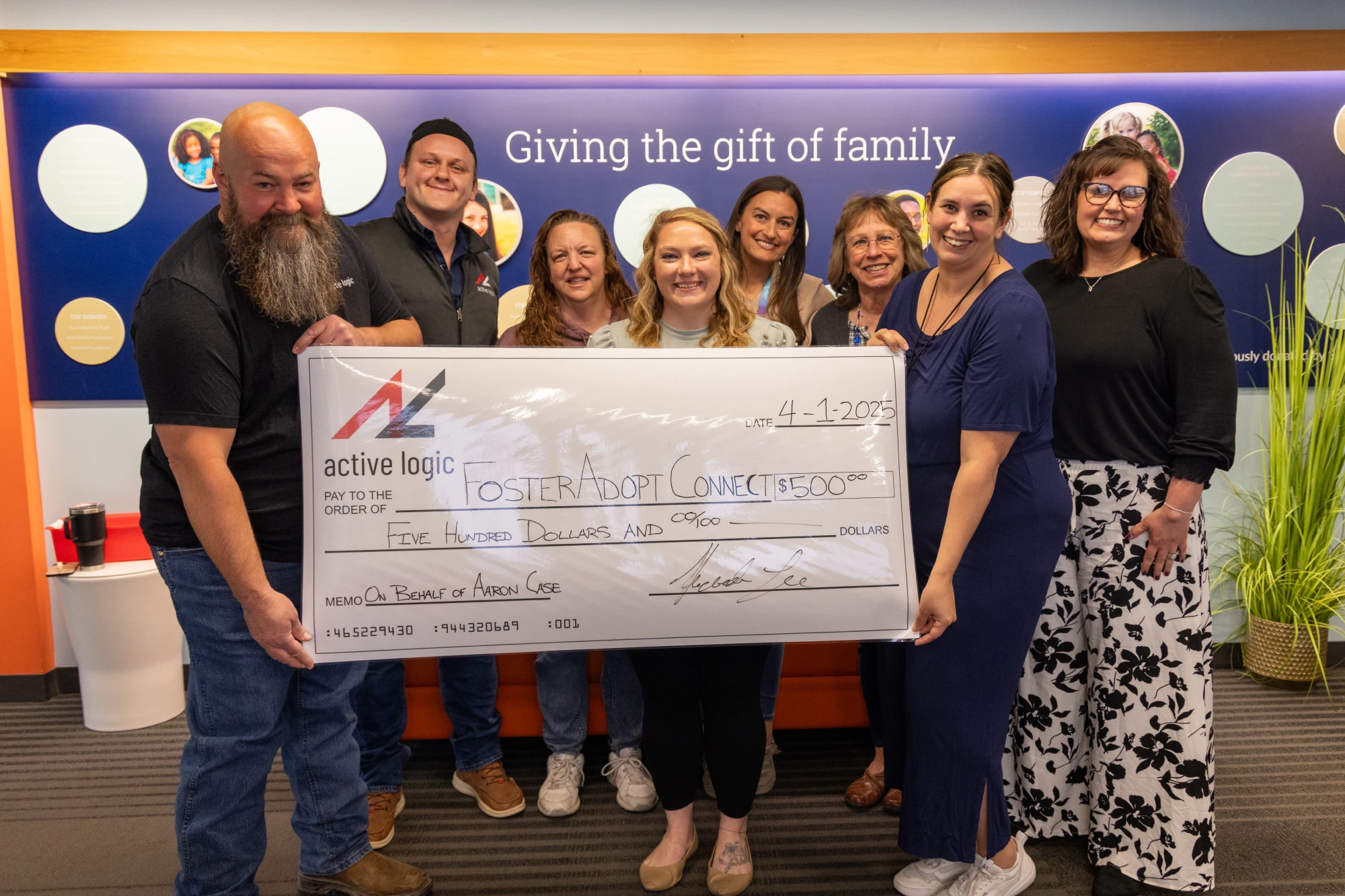
Every month, Active Logic gives an employee $500 to donate to the charity of their choice. No restrictions. No committee approval. No corporate agenda. The employee picks the organization, we write the check, and then we share their story — because the reasons people choose the causes they choose are worth hearing.
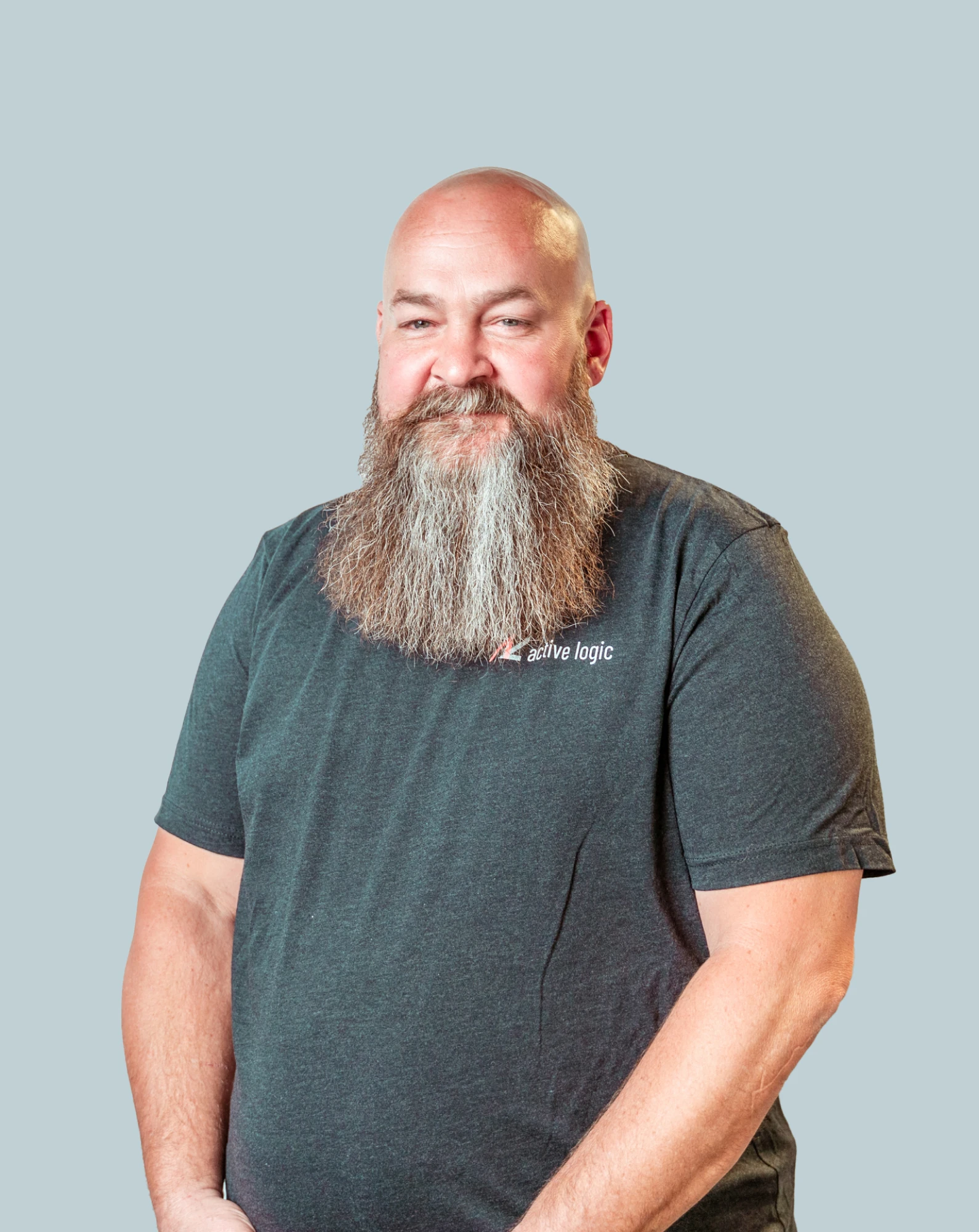
This month’s spotlight is Aaron Case, Senior Software Engineer.
Aaron
Aaron has been with Active Logic for over four years. As a Senior Software Engineer focused on web application and mobile app development, he’s one of those engineers who makes complex problems look straightforward — the kind of person you want reviewing your architecture decisions and the kind of teammate who makes everyone around him a little more confident in the codebase.
Outside of work, Aaron lives on a farm with his family and their animals. It’s the kind of life that looks idyllic from the outside, and by all accounts, it is. But the path to that life included a chapter that shaped everything that came after.
Aaron grew up in foster homes and group homes as a teenager. He knows what it’s like to not have a permanent place, to move between households, to wonder whether the adults in your life will still be there next month. That experience didn’t define him in the way people sometimes assume — he didn’t emerge from it broken or bitter. But it gave him a perspective that most people don’t have, and it made one thing very clear to him: the system that’s supposed to catch kids who fall through the cracks doesn’t always catch them.
The Decision to Foster
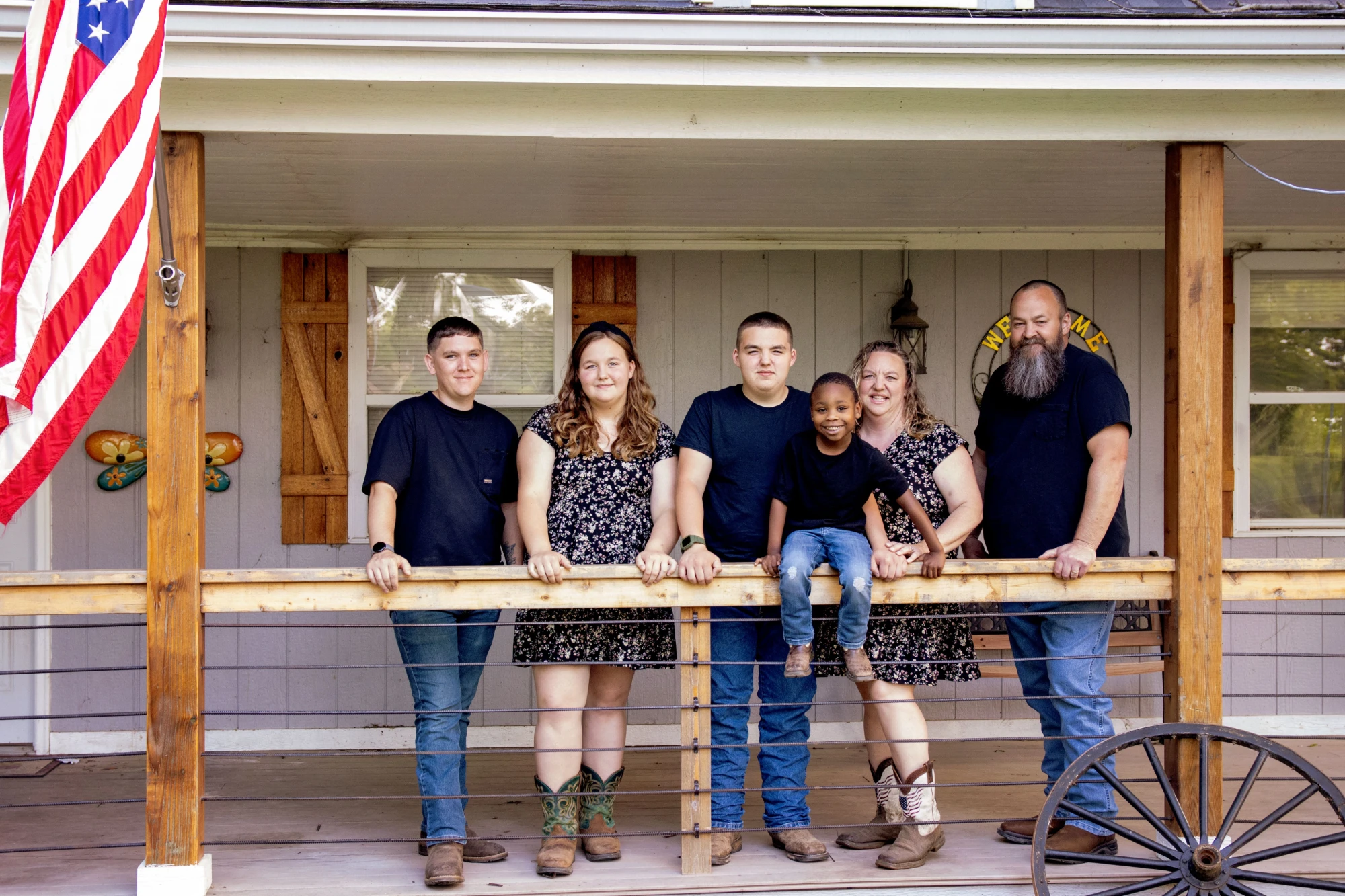
In August 2018, Aaron and his wife made the decision to become foster parents. It wasn’t an impulsive choice. They’d talked about it for years, researched the process, and prepared themselves — as much as anyone can prepare — for what it would mean to open their home to children who needed one.
Over the next three years, Aaron and his wife fostered 18 children. Eighteen.
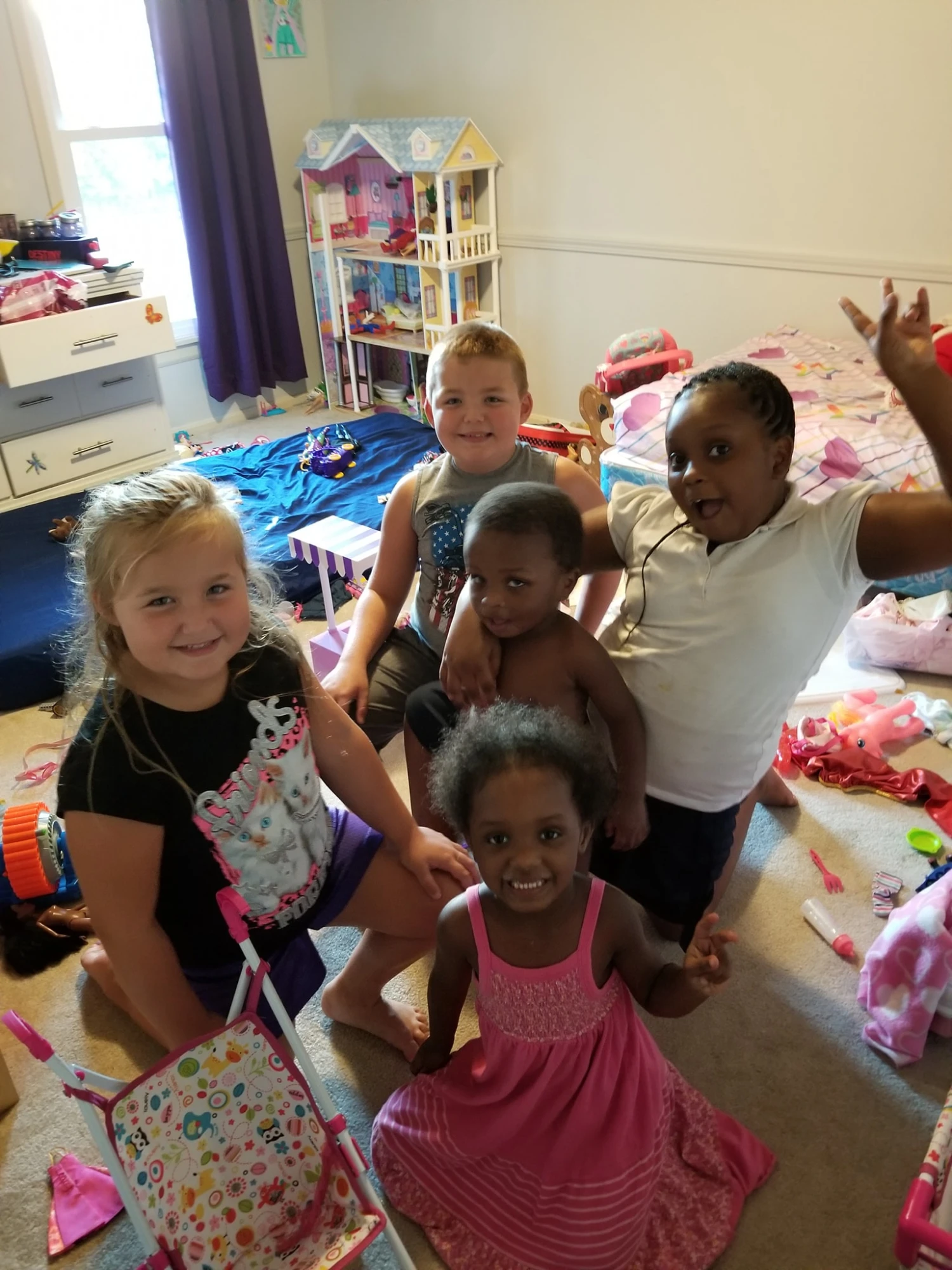
That number is worth sitting with for a moment. Each of those 18 children came into their home with their own history, their own needs, their own fears. Some stayed for days. Some stayed for months. Each transition — welcoming a child in, saying goodbye when they moved on — carries an emotional weight that’s difficult to describe to someone who hasn’t experienced it.
Foster care is not adoption. The goal, in most cases, is reunification — returning the child to their biological family once the situation that led to removal has been resolved. Foster parents know going in that the children in their care are, in most cases, temporary. That knowledge doesn’t make the goodbye easier. It just makes the decision to say yes again and again more remarkable.
Izaak
In the middle of those three years and 18 children, one story took a different turn.
A child named Izaak came to stay with Aaron and his wife for what was supposed to be a temporary weekend visit. He was a guest, not a placement — just a few days. But some connections are immediate and undeniable. Izaak fit into their family in a way that was obvious to everyone in the house.
The weekend visit became something more. Aaron and his wife began the adoption process, and in January 2021, Izaak officially became their son.
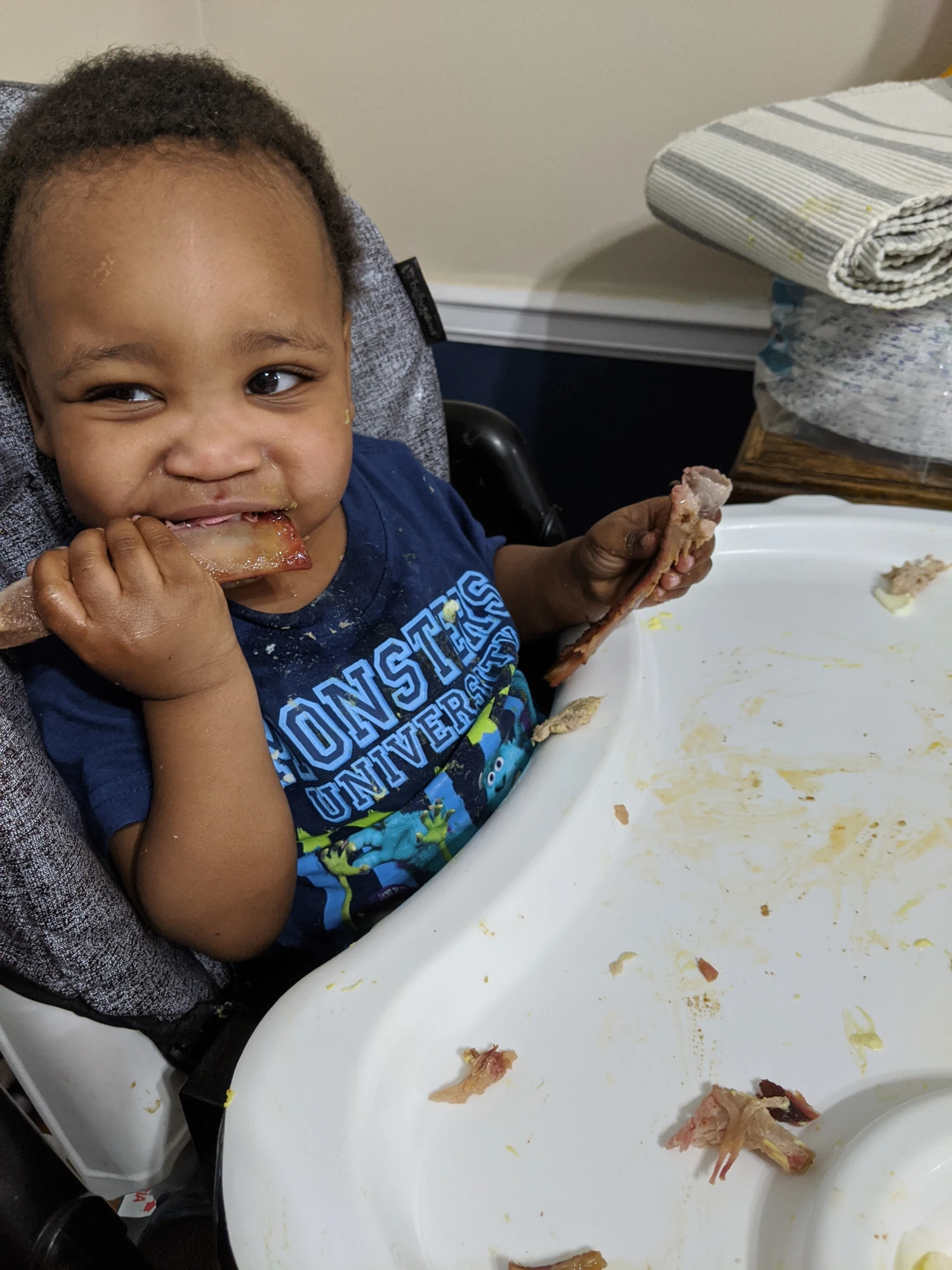
If you ask Aaron about it, he’ll tell you about their family traditions — the basement movie nights with a projector and bean bags, the kind of low-key, high-warmth rituals that make a house feel like a home. These are the things that matter to kids who’ve spent time in a system where nothing is permanent: predictable routines, familiar spaces, the confidence that tomorrow will look like today.
Brittany Brooks, the family’s social worker, described the warmth in their home as something you could feel the moment you walked in. That kind of environment doesn’t happen by accident. It’s built deliberately by people who understand — often from personal experience — what it means to not have it.
FosterAdopt Connect
Aaron chose to direct his $500 donation to FosterAdopt Connect, a Kansas City-based organization that serves abused and neglected children through a range of programs focused on the foster care ecosystem.
FosterAdopt Connect works across multiple dimensions of the problem:
Foster parent support. Recruiting, training, and supporting foster parents is one of the organization’s core functions. The foster care system runs on the willingness of families to open their homes, and that willingness needs to be supported with training, resources, and community. FosterAdopt Connect provides that infrastructure.
Advocacy. The organization advocates for policy changes and systemic improvements in the child welfare system. Individual foster placements matter, but so does the system-level work that determines how many children enter care, how long they stay, and what happens when they age out.
Behavioral health services. Children who’ve experienced abuse or neglect often need specialized therapeutic support. FosterAdopt Connect provides behavioral health services designed for the specific needs of this population — trauma-informed care that recognizes the unique challenges these children face.
Youth mentoring. For older children in the foster system — particularly those approaching the age where they’ll age out of care entirely — mentoring relationships can be transformative. Having a consistent adult in your life who isn’t a caseworker or a temporary placement provides stability that the system itself often can’t.
The organization operates primarily in the Kansas City metro area, which makes it a local impact for a company headquartered in the same region. When Aaron chose FosterAdopt Connect, he was supporting an organization that serves children in the same community where Active Logic builds custom software and employs its team.
Why This Program Exists
Active Logic’s monthly philanthropy initiative started from a simple observation: the people on our team care about things beyond code. They volunteer, they donate, they show up for their communities in ways that have nothing to do with software development. The $500 monthly donation is a way for the company to put resources behind the causes our people already care about.
There’s no corporate strategy behind it. We don’t select charities that align with our business interests. We don’t require employees to choose technology-related nonprofits. We don’t use the donations for tax optimization or marketing. An employee gets $500 to give to whatever organization matters to them, and we share the story because the stories are worth sharing.
The program has surfaced causes and organizations that most of us on the team had never heard of. It’s introduced us to the things our colleagues care about outside of work — and in doing so, it’s made us a closer team. When you know what someone is passionate about beyond the daily standup, you understand them differently. That understanding makes for better collaboration, more empathy, and a stronger company culture.
The Bigger Picture
There are approximately 400,000 children in foster care in the United States at any given time. About 120,000 of them are waiting to be adopted. Each year, roughly 20,000 young people age out of the foster system without being adopted — transitioning to adulthood without the family support structure that most people take for granted.
These numbers are abstract until you know someone who lived them. Aaron lived them. And rather than walking away from that chapter of his life, he walked directly back into it — opening his home to 18 children and permanently adopting one. His choice to support FosterAdopt Connect with this month’s donation is consistent with everything he’s done: showing up for the system that shaped him, and working to make it better for the kids still in it.
If you’d like to learn more about FosterAdopt Connect or support their work, visit fosteradopt.org.
